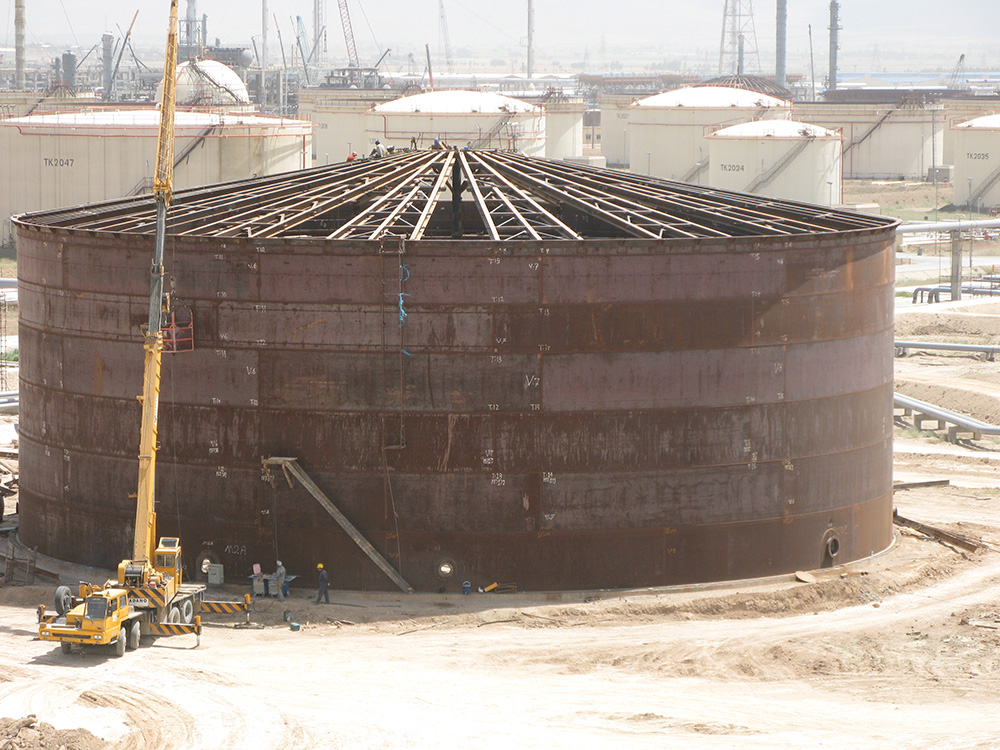

Distillation columns, predominantly used in the oil, gas, and petrochemical industries, are sophisticated engineering tools designed to separate specific substances from gas or liquid mixtures using physical processes. These columns are also utilized to purify products, optimize energy consumption, and reduce costs.
Distillation columns play a crucial role in various industrial processes such as distillation, absorption, extraction, and filtration. They are widely employed in multiple industries for producing chemicals, fuels, gases, and other diverse products. Below, we examine the benefits and applications of distillation columns, as well as their construction and maintenance.
Benefits of Separation Columns
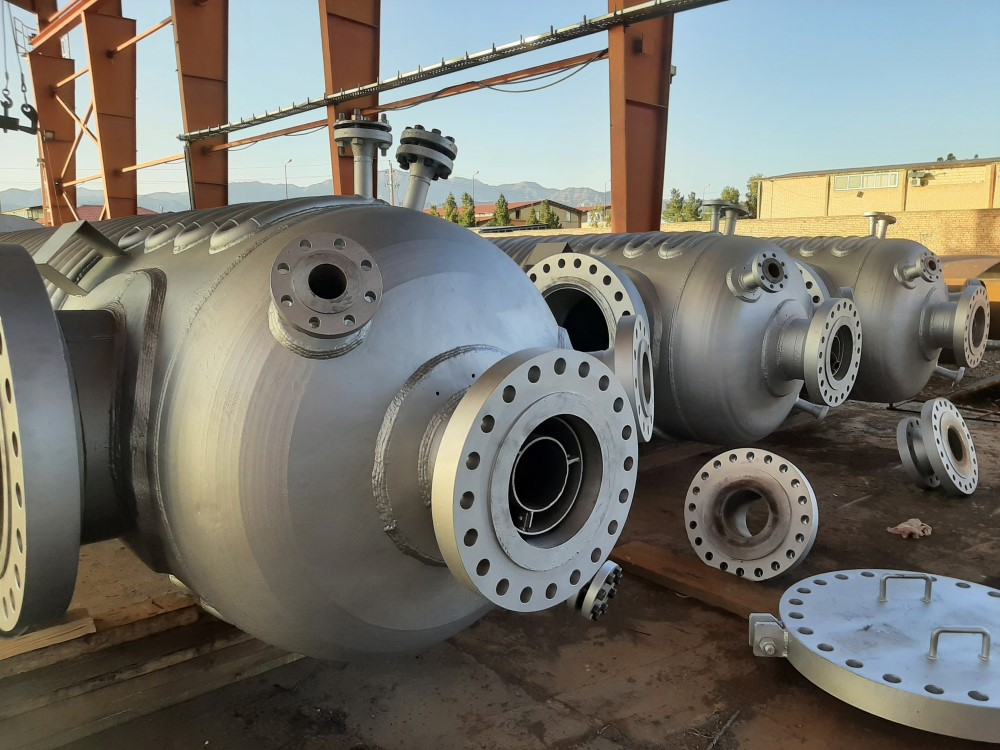
Distillation columns are essential in many industries due to their ability to effectively separate or purify different materials. This process offers several advantages:
Enhancing Product Quality
One of the primary advantages of distillation columns is their ability to produce high-quality and pure products, which are critical for improving efficiency. In the oil, gas, and petrochemical industries, precise separation of different substances enhances the final product quality and increases production capacity. For example, in refineries, distillation columns help separate crude oil into various components, such as gasoline, diesel, and naphtha, resulting in higher-quality fuels.
Operational Cost Savings
Optimizing energy and raw material consumption is another advantage of separation columns. Through proper design and the use of advanced control systems, processes can be adjusted to minimize energy consumption and reduce operational costs. In the long term, this leads to lower production costs and higher profitability for industrial units.
Improving Process Efficiency
Distillation columns can accelerate separation processes, thereby improving the overall efficiency of industrial systems. Managing separation speed and enhancing the final product quality are achieved through these columns. For processes requiring separation and purification, such as the production of ethylene or propylene from natural gases, separation columns optimize time and performance.
Reducing Environmental Impacts
With advanced technologies, distillation columns contribute to reducing pollutant emissions and optimizing resource utilization. For instance, they can separate harmful gases like carbon dioxide from gas streams and store them for reuse in industrial processes.
Compatibility with Diverse Conditions
Distillation columns are typically designed for specific operational conditions, including extreme temperatures or pressures. These columns can perform efficiently under such conditions, ensuring uninterrupted industrial operations.
Applications of Separation Columns
Separation columns are used in various industrial processes, particularly in the oil, gas, and petrochemical sectors. Some notable applications include:
Crude Oil Refining
Distillation columns are among the most widely used equipment in refineries. They separate crude oil into components such as gasoline, naphtha, diesel, and other heavier fuels. This process uses appropriate temperature and pressure to separate these substances based on their boiling points.
Industrial Gas Purification
In the petrochemical and gas industries, gases such as oxygen, nitrogen, and carbon dioxide must be separated. This process is performed using absorption and separation columns, particularly for purifying natural gases or producing hydrogen and oxygen from chemical gases.
Production of Basic Chemicals
In the petrochemical industry, the production of basic materials such as ethylene, propylene, and benzene from crude oil and natural gases primarily relies on separation columns. These processes involve chemical and physical reactions where the columns separate byproducts and various components.
Solvent Purification
In the pharmaceutical and chemical industries, solvents often need to be separated from impurities to achieve higher final quality. In these processes, separation columns effectively remove impurities and purify solvents.
Industrial Wastewater Treatment
In the oil and gas industries, industrial wastewater from various processes often contains hazardous chemicals that must not be released into the environment. Separation columns can recover useful materials from wastewater and reduce environmental pollutants.
Construction of Separation Columns
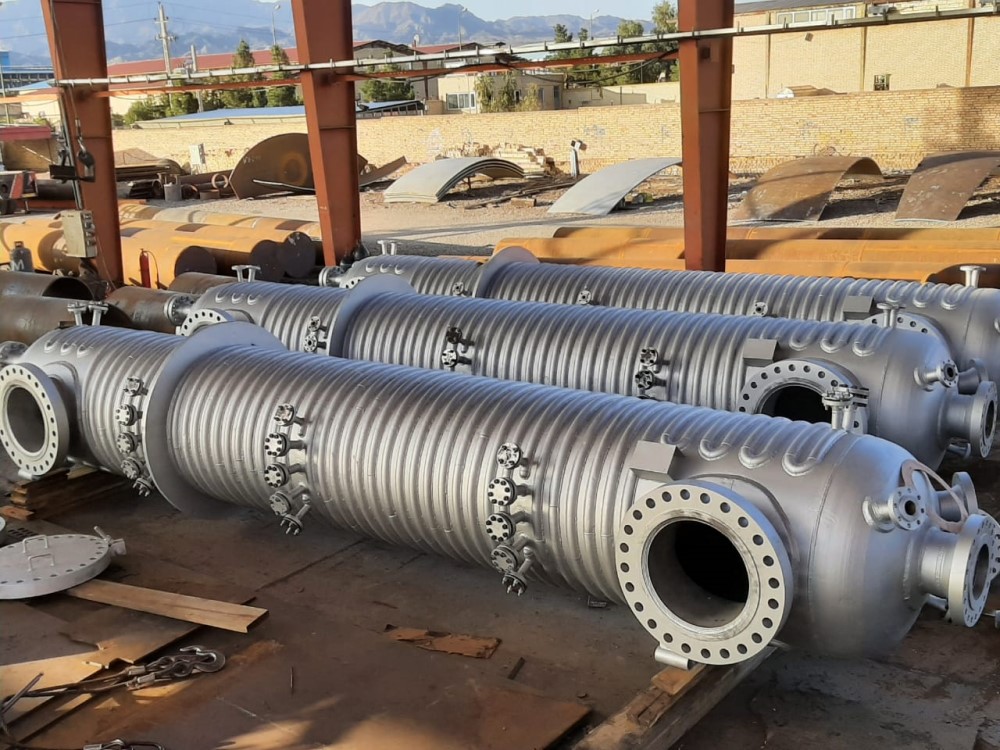
The construction of separation columns is a precise engineering process requiring advanced technologies, complex designs, and the selection of specific materials. Their design is generally divided into two main sections: the column body and the internal components, including trays and packing. The following outlines the construction process:
Selection of Raw Materials
Choosing raw materials is the first and most critical step in constructing separation columns. Materials must withstand high temperatures, pressures, and corrosive substances. Stainless steel or corrosion-resistant alloys are typically used. The choice depends on the type of separation process, operating conditions, and the materials being processed.
Internal Design
The internal design of columns involves attention to details such as trays, packing, and distribution components. These must be designed to ensure proper contact between phases (liquid and gas) for effective separation. Trays are usually made of stainless steel and are designed to evenly distribute pressure and prevent excess gas formation. Packing increases surface contact and improves separation efficiency.
Manufacturing and Assembly
After the design phase, the components of the column, including trays, packing, the body, and pipes, are precisely manufactured. These components are then assembled using welding techniques. Proper welding ensures strong connections and prevents any material leakage. Once assembled, the column undergoes pressure and temperature tests to verify its performance under real conditions.
Ensuring the quality of separation columns during the initial stages and conducting various tests prevents future costs.
Maintenance of Separation Columns
As complex and sensitive equipment, separation columns require regular inspection and maintenance to maintain optimal performance and safety. Maintenance involves several steps and tests to ensure quality and extend the column’s lifespan:
Periodic Inspections
Columns should be regularly inspected for cracks, corrosion, and mechanical damage. These inspections are typically conducted by specialists using various inspection tools such as industrial cameras, ultrasonic sensors, and non-destructive testing methods. These tools can detect even the smallest damages to prevent major issues.
Cleaning and Removing Deposits
Deposits and solid particles may accumulate in separation columns over time, reducing their efficiency. Cleaning methods include hot water washing, chemical solvents, or mechanical cleaning to remove these deposits.
Replacing Worn-Out Components
Some internal components, especially trays and packing, may wear out over time and require replacement. Timely replacement by specialists is necessary to prevent reduced column efficiency.
Monitoring Performance
The column’s performance should be continuously monitored using advanced monitoring systems to detect and address changes in pressure, temperature, or chemical flow. Remote monitoring systems and sensors are often used for this purpose.
References
- American Institute of Chemical Engineers (AIChE)
- ScienceDirect – Articles on Separation Technologies
- Petroleum Refining Design and Applications Handbook
- Distillation Engineering by Henry Z. Kister