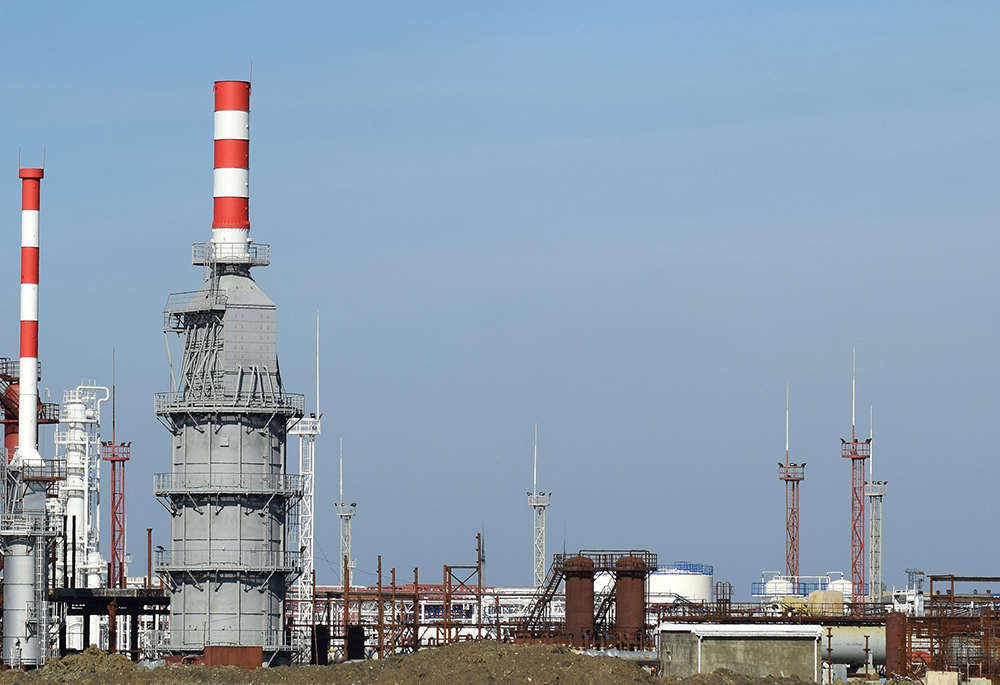
Industrial furnaces in refineries and petrochemical plants play a critical role in providing the heat required for various processes. Proper operation of a refinery furnace requires a continuous supply of fuel, air, and process feed to ensure that heat is transferred to the fluids uniformly and safely.
Before startup, the furnace must be fully commissioned so that all systems are ready for correct operation. In an industrial furnace, fuel is burned in the combustion chamber, converting its chemical energy into heat, which is then transferred to process fluids flowing through coils. These coils are typically installed in different parts of the furnace to maximize heat utilization. Some coils are located inside the combustion chamber and are exposed directly to the flame, while others are positioned in the upper part of the furnace (the convection section) to absorb heat from flue gases on their way to the stack. Usually, the process fluid first passes through the convection section and then the radiant section to achieve maximum heat transfer.
Precise design of the radiant and convection sections, together with fuel, air, and feed supply systems, improves combustion efficiency and ensures safe operation of refinery furnaces. This article explains the operation of industrial furnaces, the types of fuel, air, and feed supply systems, the mechanisms of heat transfer to process fluids, and the principles of safe and efficient furnace operation.
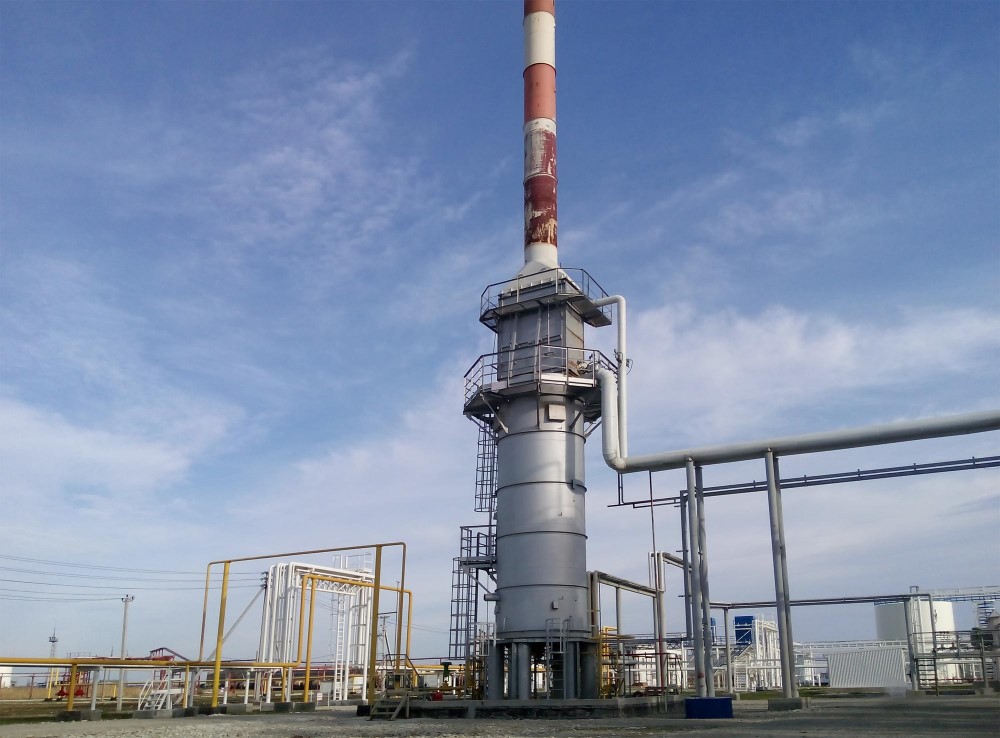
1 – Fuel Distribution Systems
Furnace fuel in Iranian industries is primarily supplied in liquid or gaseous form.
Gaseous Fuel
Gas fuel first passes through a filter and then through safety shutoff valves. These valves are designed to immediately block the main fuel lines in emergency situations, such as a fire in the furnace, preventing fuel from entering the furnace. To control fuel flow, a control valve is installed in the main line. Gas is then directed to the burners. In some furnaces, additional small shutoff valves are installed on branch lines for each burner for added safety. Finally, the gas enters the burner and combusts.
Liquid Fuel
Liquid fuels are often derived from low-quality refinery cuts or petrochemical units. These fuels are typically viscous and sticky. To reduce viscosity, fuel may be heated in storage tanks using steam coils or injected with steam along the pipelines. Liquid fuel burners usually use steam to atomize the fuel. The liquid fuel distribution system includes storage tanks, transfer pumps, and filtration or impurity separation systems to deliver quality fuel to the burners.
2 – Air Supply Systems
Air required for combustion is drawn from the atmosphere around the furnace and directed to the burners either naturally or forcibly, depending on the air supply system type.
Natural Air Supply System
In natural systems, air enters the furnace through chimney-induced suction and passes through the burners and special registers. Burners have two types of air inlets:
- Primary air: Provides the minimum air necessary for initial ignition.
- Secondary air: Provides additional air to complete combustion of liquid fuels. These are adjustable dampers.
Gas burners in natural air systems do not require secondary air, as gases mix easily with air. Liquid fuels, however, do not mix naturally and need primary combustion to vaporize droplets, followed by secondary air for efficient burning.
Forced Air Supply System
Forced air systems include:
- Forced draft: Air is pushed into the furnace by blowers.
- Induced draft: Air is pulled out of the furnace by fans, drawing fresh air into the combustion zone.
- Balanced system: Combines both forced and induced drafts.
A furnace with a forced-air system and blowers typically consists of:
- Air ducting
- Air filters to prevent external particles from entering the furnace
- Blower fans
- Combustion air preheaters for improved efficiency
- Burner air control dampers
- Burners
3 – Feed System
During operation, the feed must be supplied continuously and uniformly. Factors such as single-component vs. mixed feed, phase (liquid or gas), and flow rate are critical to proper furnace operation and uniform heat transfer.
Single or Mixed Feed
Feed may consist of a single substance or a mixture. For example, VCM furnaces use pure EDC, while ethylene furnaces use a mix of naphtha or ethane with steam. Ammonia and methanol furnaces use a mix of steam and hydrocarbons. For mixed feeds, continuous adjustment of flow ratios is essential for stable and uniform operation.
Feed Phase
Feed can be liquid or gas, and the phase must be considered during furnace design. For liquid feed, phase change during heating is prohibited, as it can cause:
- Unintended evaporation, changing volume and flow rate, potentially causing vibration or water hammer in the coils
- Steam pockets reducing heat transfer efficiency and creating hot spots in furnace coils
Feed Flow Adjustment
To maintain uniform heat transfer, the flow through each coil pass must be equal. Typically, a control valve is installed for each pass.
Conclusion
Safe and stable operation of industrial furnaces in refineries depends on precise coordination between fuel, air, and feed supply systems. Proper understanding of heat transfer mechanisms and adherence to design and operational conditions significantly enhances efficiency, reduces operational risks, and ensures stable refinery processes.