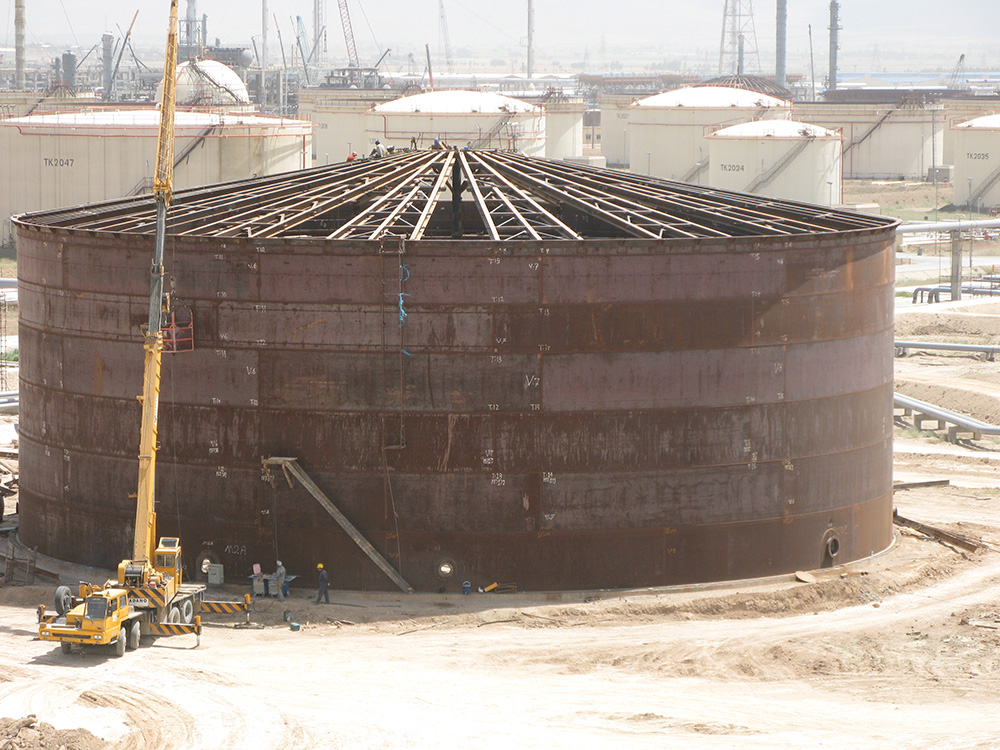
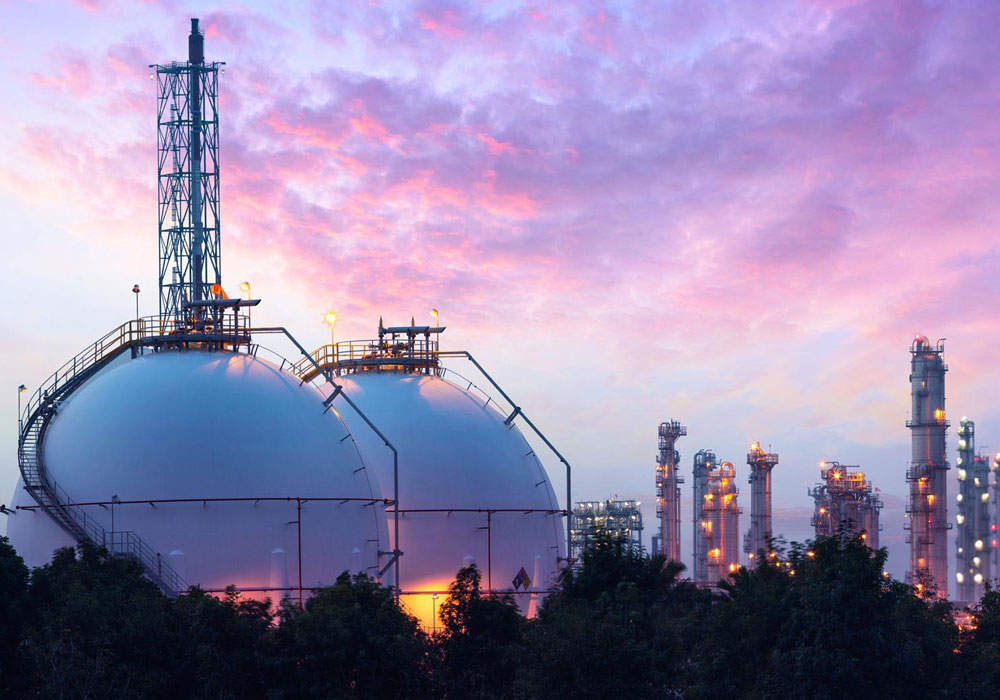
Pressure vessels are vital equipment in the oil, gas, petrochemical, and other industrial sectors. These devices are designed for storing and transporting fluids at high pressures and are typically exposed to harsh operating conditions, including high pressures and exposure to corrosive chemicals.
Due to the critical nature of these vessels, regular maintenance and repair are of paramount importance. Failing to address these issues can lead to severe accidents and significant financial and operational costs. This article discusses the maintenance and repair costs of pressure vessels after construction, the factors affecting these costs, challenges, and effective strategies for cost reduction.
Importance of pressure vessel maintenance
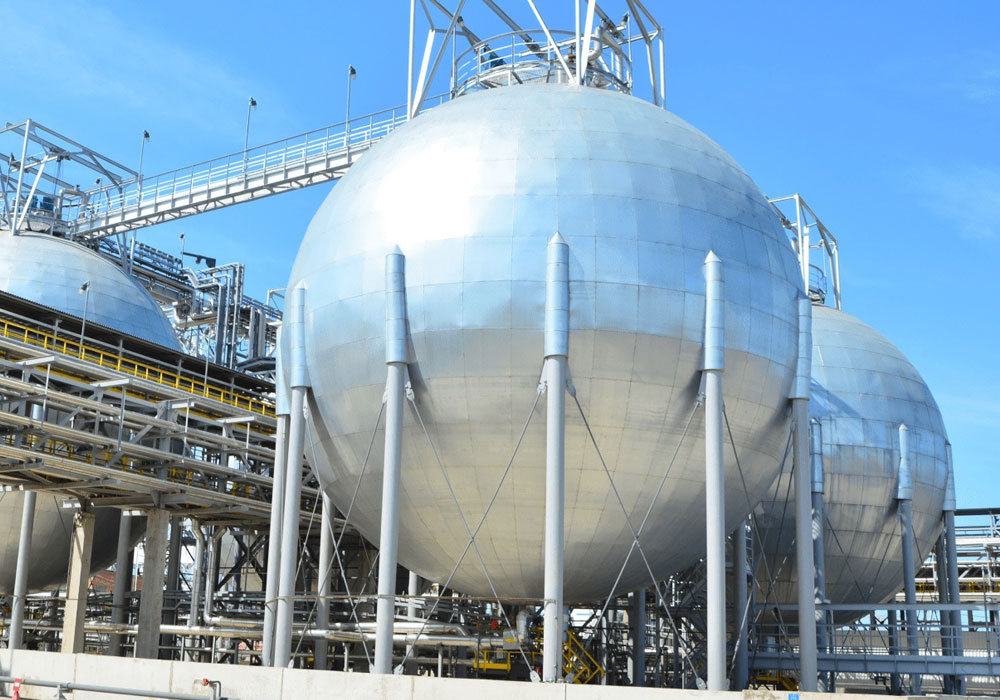
Pressure vessels play a crucial role in ensuring the safety of industrial processes and must always be maintained in optimal and safe operating conditions. Neglecting the maintenance of these vessels can result in leaks, explosions, or shutdowns in production processes.
From an international standards perspective, particularly the ASME standards, regular and scheduled maintenance is a fundamental requirement for safe and long-term operation of pressure vessels. Besides enhancing safety, proper maintenance also reduces long-term costs, as periodic repairs prevent more extensive and costly damages.
Types of maintenance and repair costs for pressure vessels
Effective maintenance of pressure vessels can only be achieved through a precise understanding of its associated costs. In this section, we categorize and review the different costs related to inspection, repair, preventive maintenance, and production downtime.
1. Inspection and non-destructive testing (NDT) costs
Periodic inspections are essential for identifying structural and functional flaws in time. These inspections typically include non-destructive testing methods like ultrasonic testing, industrial radiography, magnetic particle testing, and liquid penetration tests.
The cost of this section depends on factors such as vessel size, type, operational conditions, the type of stored fluid, and the frequency of inspections. These tests can be carried out by trained in-house staff or specialized contractors.
2. Corrective repair costs
If damage such as cracks, leaks, corrosion, or deformation is identified during inspections, corrective repairs are required. These repairs may include:
- Welding of seams or damaged areas
- Replacing parts
- Reapplying protective coatings
The severity of damage, material type of the vessel, and installation conditions influence the repair costs. For instance, repairing vessels in offshore facilities usually incurs higher costs due to difficult access and the need for specialized personnel.
3. Preventive maintenance costs
Preventive maintenance involves actions taken to prevent major issues in the future. These activities include:
- Periodic cleaning
- Inspection of anti-corrosion coatings
- Calibration and adjustment of control systems
Although these activities are costly, they are far more cost-effective compared to the expenses of major repairs or vessel replacements.
4. Production downtime Costs
One of the indirect but significant costs is related to production downtime during vessel repair or inspection. Temporarily taking a vessel out of operation can reduce production efficiency and increase delays in project delivery.
By planning repairs during off-peak periods or industrial shutdowns, this cost can be minimized.
Factors affecting maintenance and repair costs
Several factors impact the maintenance costs of pressure vessels, and overlooking them can lead to increased expenses and reduced productivity. This section explores the key technical and environmental factors influencing these costs.
1. Type of Stored Fluid
The type of material stored in the vessel directly affects the rate of erosion and corrosion of the vessel walls. Corrosive substances like acids or strong bases cause faster damage to the equipment, requiring more frequent inspections and maintenance.
Using resistant materials like stainless steel or corrosion-resistant alloys can reduce the need for repairs, though the initial construction cost of the vessel may increase.
2. Environmental conditions of installation location
The physical environment where the vessel is installed also has a significant impact on its durability. High humidity, extreme temperatures, or exposure to coastal salt environments can accelerate corrosion and structural damage.
In such conditions, using protective coatings, thermal or cryogenic insulation, and choosing the right installation location becomes even more crucial.
3. Design and construction standards
Vessels built according to international standards like ASME Section VIII generally have higher reliability and safety, and their long-term maintenance costs are lower.
These recognized standards not only ensure appropriate technical structure but also facilitate inspection, repair, and component replacement processes.
Strategies for reducing maintenance and repair costs
1. Utilizing modern technologies
Using smart monitoring systems, temperature and pressure sensors, and online monitoring systems can track the real-time status of the vessel. In case of warning signs, preventive actions can be taken.
These technologies allow companies to optimize maintenance scheduling and prevent unforeseen failures.
2. Training personnel
Operators with the necessary technical training can better recognize early signs of damage and prevent larger issues. Specialized training also enhances workplace safety and reduces human errors.
3. Using maintenance management software (CMMS)
These software tools help record the maintenance history of vessels, schedule activities, and allocate resources. Using such tools makes maintenance activities more organized and efficient.
Common challenges in pressure vessel maintenance and repair
1. Difficult access to installation location
In many cases, particularly in offshore projects or elevated units, accessing the vessel installation location can be challenging. This increases repair costs and may require specialized equipment or personnel.
2. Complexity in design and material of the vessel
Vessels made from special alloys or complex designs require high expertise for repair. For example, welding certain alloys like nickel or titanium demands specialized technical knowledge, which naturally incurs higher costs.

The role of petrostructure company in reducing maintenance costs
Petrostructure, by leveraging advanced technical knowledge, international standards, and high-quality materials, manufactures vessels with high durability, safety, and ease of maintenance.
In addition to production, the company offers services such as technical consulting, operational training, and maintenance program design. The goal of these services is to extend the life of the vessels, reduce long-term costs, and optimize equipment utilization.
Conclusion
The repair and maintenance costs of pressure vessels are an essential and inevitable part of managing industrial assets. With careful planning, staff training, the use of standard equipment, and adoption of modern technologies, these costs can be significantly reduced.
Petrostructure plays an effective role in optimizing customer maintenance costs through a comprehensive approach to the design, manufacturing, and support of pressure vessels. Choosing the right equipment and maintenance services is a vital step toward enhancing safety, productivity, and long-term profitability in industries.
Also read:
Advantages and disadvantages of cylindrical pressure vessels