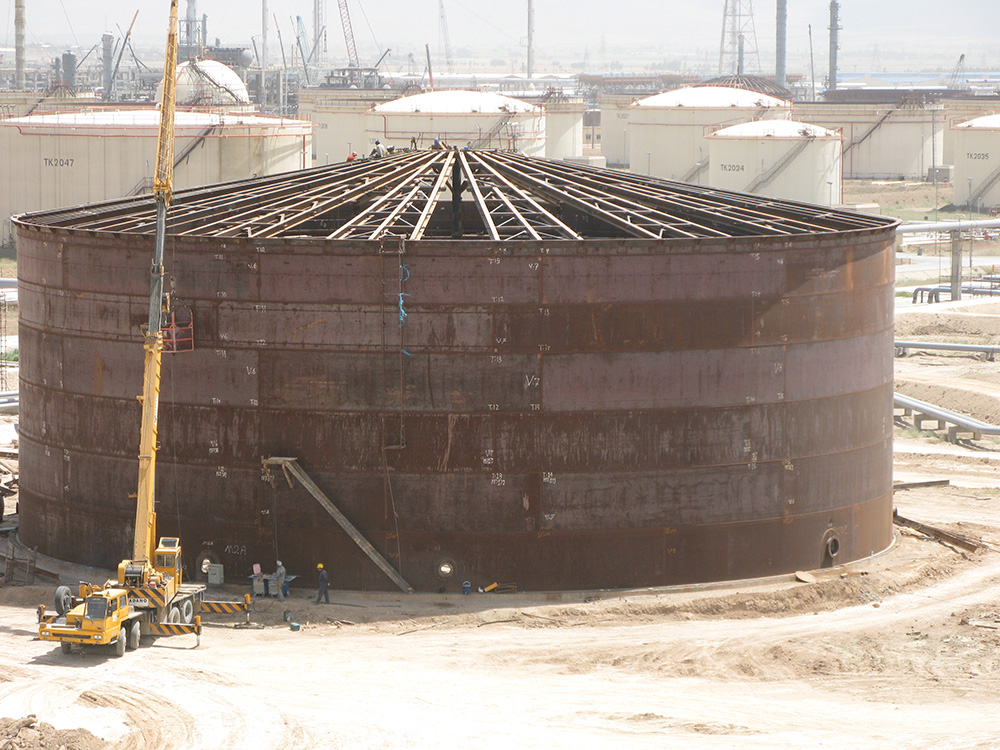

Pressurized storage tanks, also known as vessels, are widely used in various industries such as oil, gas, and petrochemicals for storing and maintaining pressurized fluids. Due to their specific operational conditions, these tanks require precise design, construction, and maintenance based on international standards.
The Impact of Pressure Changes on Pressurized Storage Tanks
Sudden or frequent pressure changes in Pressure Storage Tanks (vessels) can lead to severe issues. These changes may occur due to operational processes, temperature fluctuations, or human errors. Pressure variations can cause material fatigue, cracking, and ultimately, tank failure.
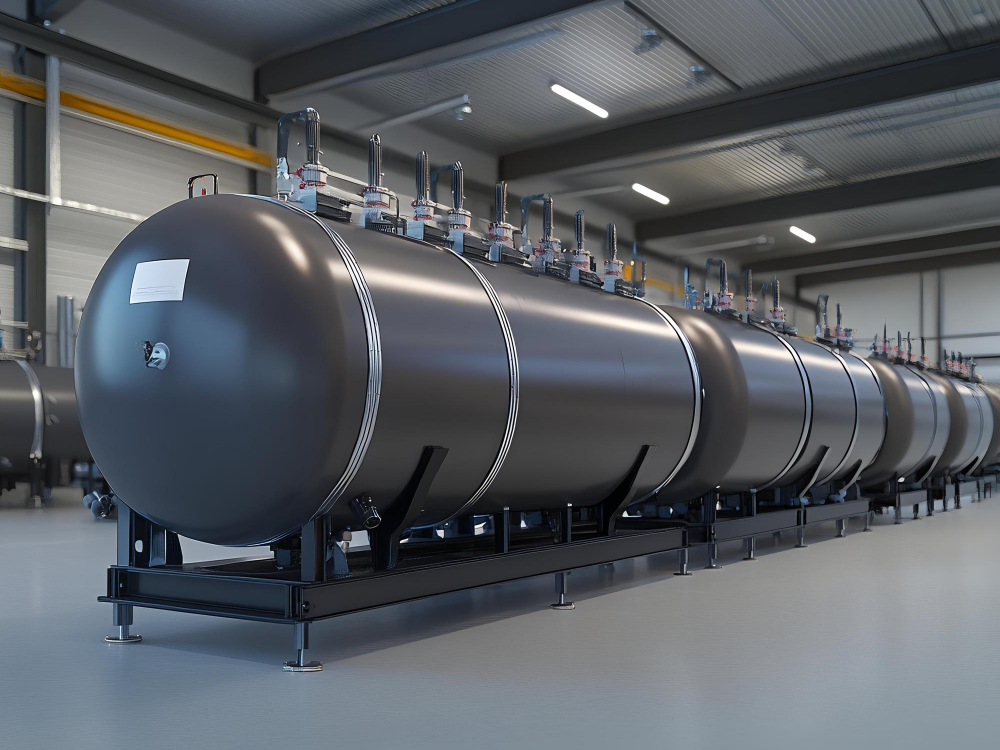
Material Fatigue
Material fatigue is one of the most common issues in pressurized storage tanks, occurring due to repeated pressure fluctuations. Every time the pressure increases or decreases, the tank’s material undergoes tensile and compressive forces. These alternating forces weaken the microscopic structure of the material, leading to the formation of micro-cracks over time.
Cracking
Cracking is a phenomenon that usually occurs due to stress concentration in specific areas of the tank. Initially, these cracks may be very small, but with repeated pressure fluctuations and environmental effects, they can expand and lead to tank failure.
Fluid Leakage
Fluid leakage is a hazardous issue in pressure vessels that can result in serious environmental, safety, and economic consequences. Such leaks often occur at connections, welds, or tank walls subjected to repeated stress.
Structural Failure
Structural failure occurs when the tank loses its ability to withstand pressure-induced stresses. These failures can be either partial or complete and often lead to severe incidents such as explosions.
Preventive Measures and Pressure Management in Vessels
- Proper Design: Tanks should be designed based on reputable standards such as ASME Section VIII to ensure their capability to withstand pressure variations.
- Material Selection: Using materials with high resistance to fatigue and cracking can enhance the tank’s lifespan.
- Regular Inspection and Maintenance: Conducting periodic inspections and non-destructive testing can help identify potential issues early and prevent accidents.
- Process Control: Closely monitoring operational processes and preventing sudden pressure changes can help mitigate risks.
Monitoring Equipment in Pressurized Storage Tanks
Pressurized storage tanks (vessels) play a critical role in various industries, and continuous monitoring of their performance is essential for ensuring safety and efficiency. Various monitoring devices such as pressure gauges, sensors, relief valves, and advanced control systems are used to continuously control the tank’s pressure, temperature, and operational conditions. These tools not only prevent severe hazards like cracking or fluid leakage but also provide accurate data for optimal system management. Below is a comprehensive introduction to these monitoring devices and their crucial role in ensuring the safe and efficient operation of storage tanks.
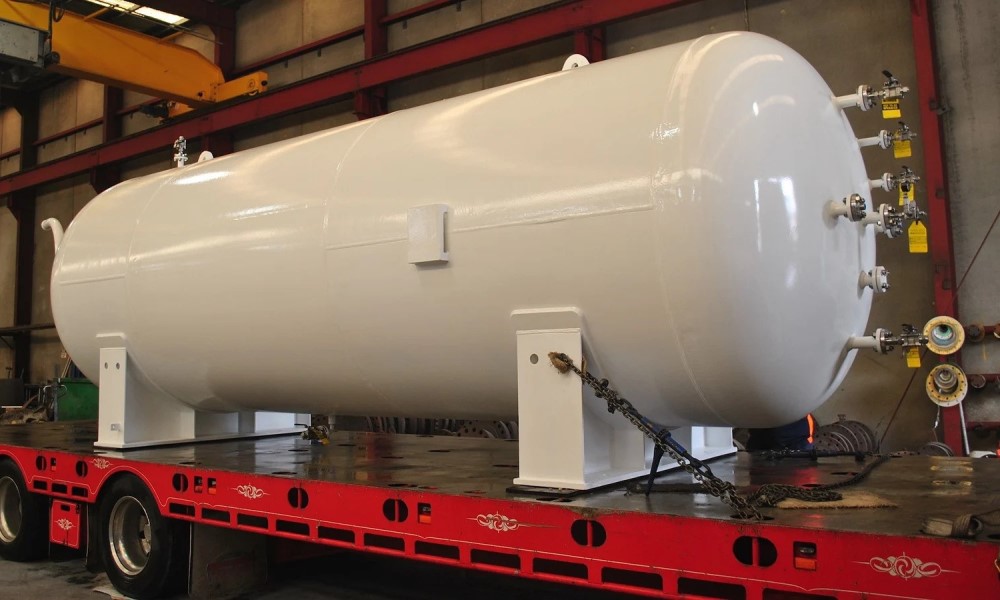
Pressure Relief Valve
A pressure relief valve is responsible for releasing excess pressure when the tank pressure exceeds the allowable limit. This device prevents tank rupture and hazardous incidents. It automatically releases excess pressure to protect the tank from damage. There are different types of relief valves, including spring-loaded and pilot-operated valves, designed for various conditions.
Pressure Gau Monitoring Equipment in Pressurized Storage Tanksge
A pressure gauge is a precise instrument for measuring and displaying the internal tank pressure. It informs the operator about the pressure status and enables continuous monitoring. These gauges can be analog with a needle or digital for higher accuracy, directly displaying the pressure status.
Pressure Transmitter
A pressure transmitter measures pressure and sends accurate signals to control systems. This device connects to industrial automation systems and provides data for control and analysis.
Automated Control Systems (PLC & SCADA)
PLC and SCADA systems are designed for complete pressure management and monitoring in tanks. These systems store sensor data and provide necessary alerts in case of issues.
Pressure Sensors
Pressure sensors are directly connected to the tank and measure pressure in real time. These sensors communicate with control systems and report pressure status.
Pressure Controllers
Pressure controllers are devices used to regulate and stabilize pressure at a specific level. They adjust inlet and outlet valves to prevent sudden fluctuations.
Pressure Regulating Valves
These valves reduce the inlet or outlet pressure of the tank and prevent unauthorized pressure increases. Pressure-regulating valves are designed to ensure the system operates within a defined pressure range.
High or Low-Pressure Alarms
Pressure alarms notify the operator when the tank pressure reaches a critical level. These alarms can be auditory or visual to prompt immediate action.
Pressure Vent Systems
These systems safely release excess gas or liquid and prevent overpressure. Pressure vent systems are particularly crucial in emergency situations.
Portable Pressure Monitoring Systems
Portable monitoring devices allow for temporary pressure monitoring. They are easily transportable for specific situations, such as maintenance or inspections, providing technicians with pressure data.
Conclusion
These monitoring devices collectively play a vital role in the safety and efficiency of pressurized storage tanks (vessels). Proper selection and combined use of these tools help prevent accidents and improve industrial processes.
References
- Pressure Vessel Failure Causes & Prevention
- Pressure Vessel Fatigue
- Types of Failure in Pressure Vessels
- Pressure Vessel Failure Mechanisms
- Cyclic Loading and Stainless Steel Pressure Vessels
- Storage Tank Failure: Examples, Causes, and Prevention
- Pressure Vessel Failures: Causes & Prevention Techniques
- Surge Problems And Their Mitigation
- Understanding Pressure Vessel Failures: A Comprehensive Guide
- Fatigue vs Pressure Vessels