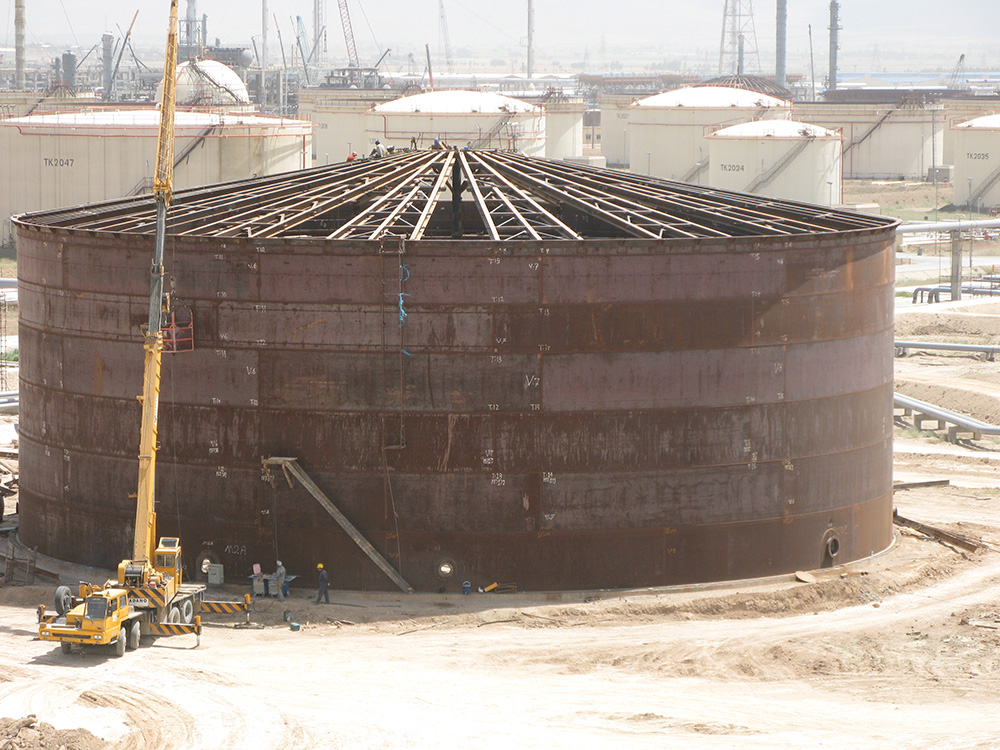

Pressure storage tanks, or vessels, are used to store or transport liquids or gases under high pressure. These tanks are particularly important in industries such as oil, gas, petrochemicals, and even in the food and pharmaceutical sectors due to their widespread applications. The design and construction of these tanks require adherence to very precise international standards, as even a minor defect can lead to serious accidents and financial or human losses.
Pressure vessels are broadly categorized into fixed and movable tanks. Additionally, depending on their application, different materials such as steel, aluminum, or even composites may be used in their construction. To ensure the proper functioning of these tanks, regular troubleshooting and maintenance are essential. Join us as we explore the various health testing methods for under pressure vessels in this article.
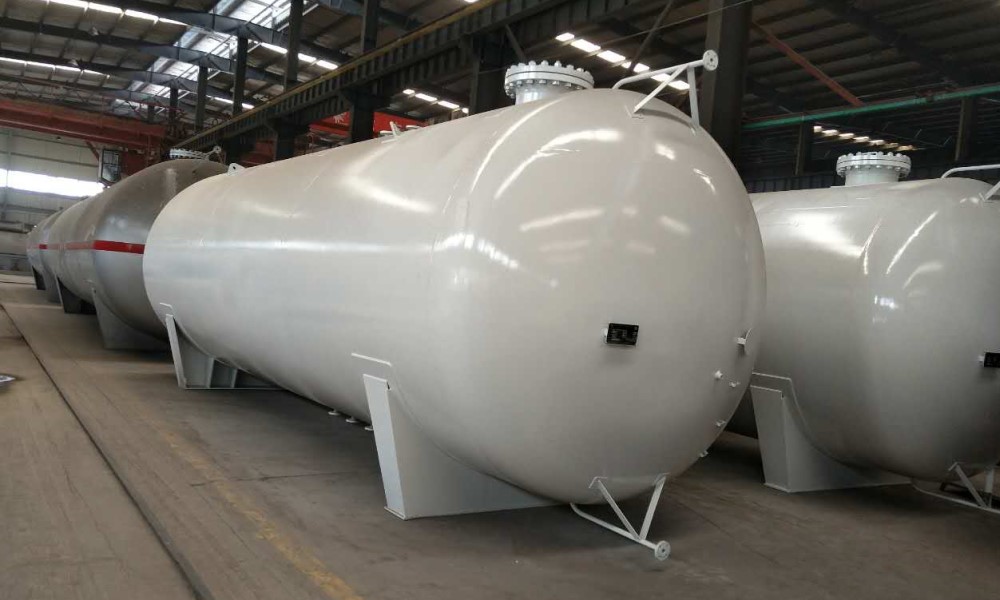
Troubleshooting Pressure Storage Tanks
Troubleshooting these types of tanks involves tests and processes aimed at identifying and rectifying issues to prevent potential accidents. Below are some of the most practical troubleshooting methods used for these tanks:
Non-Destructive Testing (NDT)
Non-destructive testing methods are employed to identify and address problems that may exist in the internal or inaccessible parts of the tanks. These methods include ultrasonic testing, X-ray testing, magnetic particle testing, and more, all of which can reveal weaknesses and damages without causing any harm to the tank. Each of these tests is conducted using specialized equipment or materials that have been improved over the years. We will further examine non-destructive and destructive tests for inspecting pressure vessels.
Ultrasonic Testing (UT)
Ultrasonic testing, or ultrasonic inspection, is a non-destructive method used to identify internal issues in pressure vessels. This test involves sending high-frequency sound waves into the tank walls to detect potential defects such as cracks, wall thickness reduction, or any form of rupture. When these waves encounter a flaw or discontinuity, they are reflected back. By analyzing these reflections, weak points or damaged areas within the tanks can be identified.
Radiographic Testing (RT)
Radiographic testing uses X-rays or gamma rays to create images of the internal structure of the tank walls, helping identify any issues. This method is used to detect internal defects, cracks, or small fractures that are not visible to the naked eye. The images obtained from this test assist engineers in accurately assessing the internal condition of the tank and taking necessary actions to address potential problems. This test is especially useful for tanks with complex welds and hard-to-reach areas.
Magnetic Particle Testing (MPT)
Magnetic particle testing is another non-destructive method used to identify surface and subsurface cracks in ferrous materials and equipment. In this test, a magnetic field is applied to the tank. If there is a crack or defect on the surface, magnetic particles will accumulate at those points, making the defects visible. This method is used to detect fine and even deep cracks in metal pressure vessels.
Hydrostatic Pressure Testing
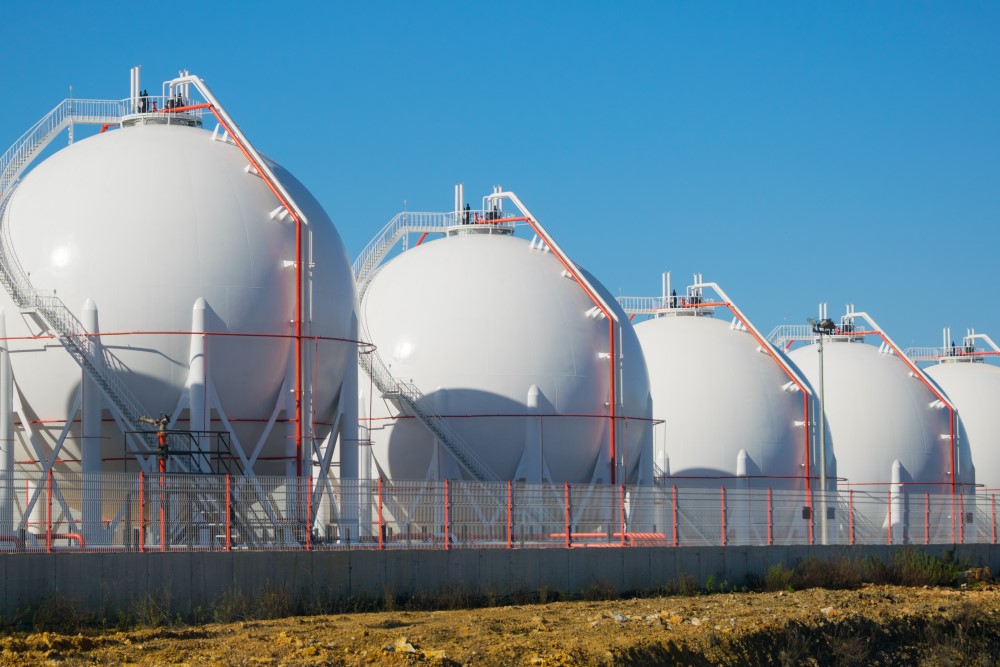
Hydrostatic pressure testing is one of the most commonly used tests for spherical pressure vessels. In this test, the tank is filled with a liquid, typically water, and pressurized to a level higher than the tank’s operating pressure. This test is conducted to assess the tank’s resistance to pressure and to detect any potential leaks. Hydrostatic testing is a safe and effective method to ensure that there are no invisible cracks or leaks in the tank.
Pneumatic Pressure Testing
Pneumatic pressure testing is similar to hydrostatic testing but uses gases such as nitrogen or air instead of liquids. This test is suitable for tanks designed to withstand high pressures where the use of liquids is limited. Additionally, it is used to detect very small leaks, as gases can quickly escape through even the tiniest cracks, helping engineers pinpoint the exact location of the leak.
Acoustic Emission Testing (AET)
Acoustic emission testing is based on detecting sound waves generated by the growth of cracks and fractures within the tanks. This test yields the best results when the tank is under pressure or has recently been subjected to thermal and pressure stresses. Sound waves detected by sensitive sensors indicate weak points and the exact locations of failures.
Wall Thickness Measurement
Measuring the wall thickness of the tank is one of the primary methods for assessing the integrity of the tank walls. Using ultrasonic devices, the thickness of the tank walls can be measured to identify any reduction. This test is conducted periodically and is very useful for identifying areas that require replacement or repair.
Visual Inspection
Visual inspection is the first step and one of the simplest methods for evaluating the condition of pressure vessels. In this method, inspectors examine the tank for visible cracks, scratches, rust spots, and leaks using the naked eye or with simple tools like flashlights and magnifying glasses. This test is effective for the initial assessment of the tank’s condition and for detecting surface-level issues. It should be performed regularly as the first action before more detailed tests are needed.
Eddy Current Testing (ECT)
Eddy current testing involves using high-frequency electrical currents. When these currents pass over the metal surface, they generate a magnetic field that can be disrupted by cracks, corrosion, or wall thickness reductions. These disruptions are detected by sensors, indicating which areas are problematic and need repair or replacement. This non-destructive method does not require dismantling or opening the tank.
Dye Penetrant Testing (DPT)
Dye penetrant testing is used to identify surface cracks and defects in tanks. In this method, a special liquid penetrant is applied to the tank’s surface, allowing it to seep into cracks and fissures. After removing the excess liquid, a developer is applied, which draws out the penetrant from the defects, making them visible. This simple and cost-effective test is ideal for evaluating surface-level cracks rather than deeper ones.
Destructive Testing
Due to their nature, destructive tests damage the tank structure and are usually performed only in laboratory settings for material quality control. The results of these tests determine the type of material and alloy used in the construction of pressure vessels. Some of these tests include:
- Tensile Testing: In tensile testing, a sample of the material is gradually stretched until it breaks. This test assesses the material’s tensile strength and its resistance to stress.
- Bend Testing: In bend testing, a laboratory sample is subjected to bending stress to evaluate its flexibility and resistance to cracking.
- Impact Testing: In impact testing, a sample of the material is struck to measure its resistance to sudden fractures.
Petrosazeh: A Leading Manufacturer of Pressure Vessels
Petrostructure company is one of Iran’s reputable companies in the design and construction of pressure vessels. Utilizing modern technologies, high-quality materials, and adhering to international standards, Petrosazeh has delivered quality products to the oil and gas industry. Additionally, the company provides consulting and installation services for tanks, ensuring that customers receive the best service throughout the entire purchasing process.
For more information and to place orders for high-quality pressure vessels tailored to your industrial needs, you can contact our experts. Our team is ready to provide specialized consultations to help you choose the best tank that meets your requirements.