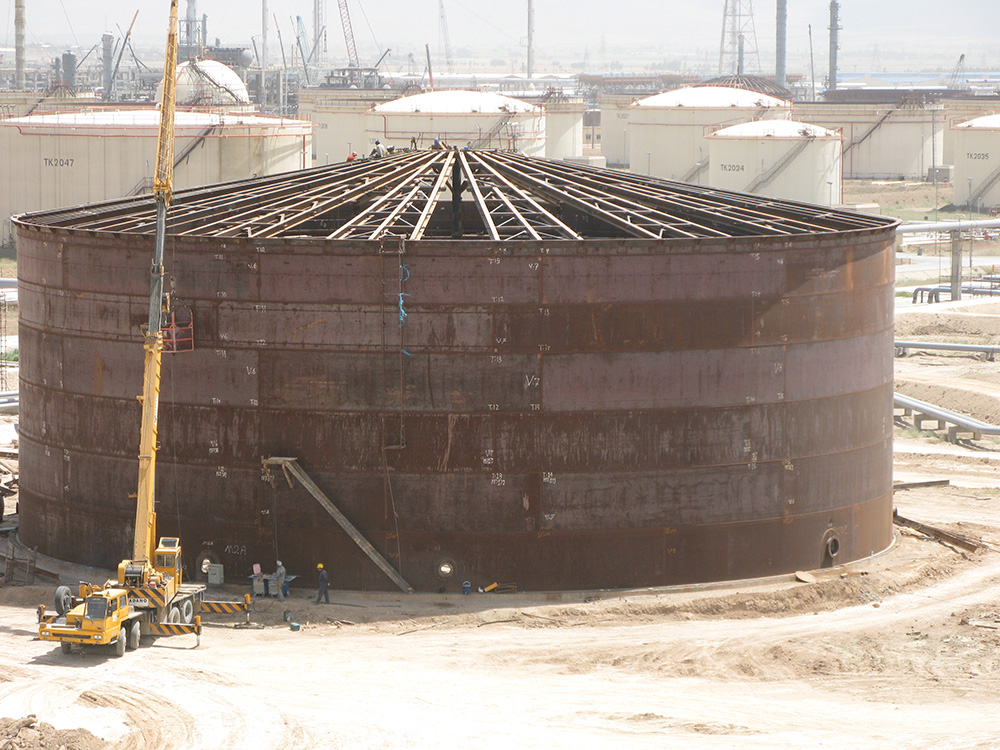
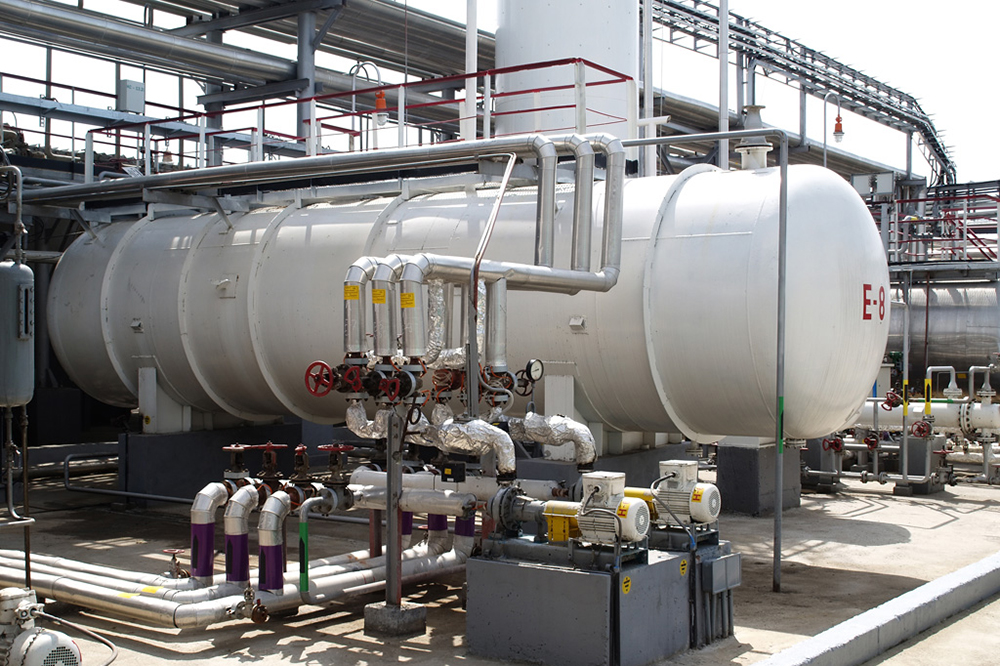
Pressure vessels and pressure storage tanks are essential equipment in the oil, gas, petrochemical, and power industries, designed and manufactured to store fluids under high-pressure conditions. Choosing the right material for constructing these vessels is of utmost importance due to their critical role in process safety and efficiency. Petrosazeh Beinolmelal Aram Co. (Petrosazeh), as one of the leading manufacturers of heavy equipment for the oil and gas industry in the country, provides high-quality pressure vessels based on up-to-date technical knowledge and international standards. This guide aims to provide comprehensive information on selecting appropriate materials for pressure vessel construction, reviewing key factors, credible standards, types of materials, and the challenges faced in this process.
The Importance of Selecting the Right Material for Pressure Vessels
Choosing the correct material for pressure vessels not only directly affects the performance and durability of the equipment but also has a direct connection with the overall safety of industrial processes. These vessels must be capable of withstanding high pressures, temperature fluctuations, and harsh chemical environments. Improper material selection can lead to issues such as corrosion, leakage, and even severe industrial accidents. Therefore, the chosen material must be fully compatible with the type of fluid, working pressure, operating temperature, and environmental conditions.
Furthermore, precise material selection can optimize the costs of manufacturing, maintaining, and repairing pressure vessels. For instance, although corrosion-resistant materials typically have higher initial costs, they save expenses in the long run by reducing repair needs and extending the vessel’s service life. Petrosazeh, leveraging its specialized expertise, selects materials that comply with standards such as ASME Section VIII, ensuring safety and proper functionality.
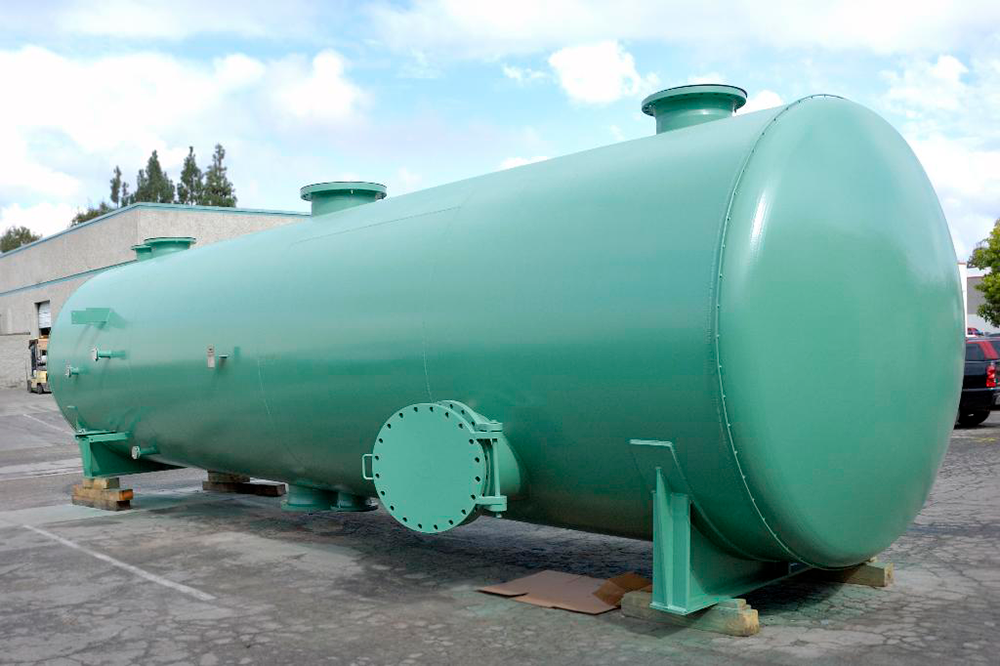
Key Factors in Material Selection for Pressure Vessels
Type of Stored Fluid
The type of fluid stored in a pressure vessel (liquid or gas) is a primary factor in determining the appropriate material. Corrosive fluids such as acids, alkalis, or chemical gases can react with certain materials and cause structural degradation. For example, stainless steel is a suitable choice for storing chemical fluids due to its high corrosion resistance, whereas carbon steel is a more cost-effective option for non-corrosive fluids.
Additionally, specific fluids like liquefied natural gas (LNG) or propane (LPG) require materials that can perform well at extremely low temperatures. Petrosazeh meticulously considers the chemical and physical properties of the fluid to prevent unwanted reactions and ensure the complete safety of the vessel.
Operating Pressure and Temperature
The pressure and temperature conditions under which the vessel operates are other crucial factors in material selection. Vessels operating under high pressures (sometimes several hundred bars) or extreme temperatures require materials with high mechanical strength and stability against thermal fluctuations. For example, specific alloy steels such as SA516 are suitable for high-pressure and high-temperature applications.
At extremely low temperatures, materials like nickel-alloyed steel or aluminum are preferred due to their resistance to brittle fracture. Petrosazeh employs advanced tools like ANSYS for precise design calculations to select the most suitable material based on operating pressures and temperatures, ensuring safe performance.
Environmental Conditions
The installation environment of the vessel also affects material selection. Factors such as high humidity, ambient temperature, or exposure to chemicals can influence the material’s service life. For example, vessels installed in coastal or humid areas should be made from materials resistant to corrosion, such as stainless steel or anti-corrosion coatings. Vessels exposed to direct sunlight or severe temperature changes also require proper insulation and protective coatings.
Petrosazeh considers the climatic conditions of each project and selects materials that can resist rust, galvanic corrosion, and abrasion, thereby extending the vessel’s service life and reducing maintenance costs.
Common Materials for Pressure Vessel Construction
Carbon Steel
Carbon steel is one of the most commonly used materials in pressure vessel construction due to its high strength, economical price, and good weldability. Grades such as SA516 or SA283 are suitable for medium-pressure and medium-temperature applications. However, this type of steel is susceptible to corrosion and must be accompanied by protective coatings in corrosive environments.
To enhance corrosion resistance, coatings like epoxy or galvanization are applied to carbon steel. Petrosazeh uses ASTM-compliant carbon steels in its projects to ensure product safety and quality. This material is especially suitable for vessels storing non-corrosive fluids, such as in oil and gas applications.
Stainless Steel
Stainless steel is among the best options for pressure vessel construction due to its high resistance to corrosion and ability to withstand extreme temperatures. Grades such as 304, 316, or 316L are ideal for storing corrosive fluids like acids or chemical gases. This material is widely used in industries like petrochemicals and pharmaceuticals, where high hygiene and safety standards must be met.
However, the higher cost of stainless steel compared to carbon steel can be a challenge for projects with budget constraints. Petrosazeh carefully analyzes the cost-benefit ratio and employs this material in cases where corrosion resistance and long-term durability are priorities.
Special Alloys and Composites
Special alloys such as nickel-alloyed steel, titanium, and aluminum alloys are used in specific operating conditions. For instance, titanium is an excellent choice for storing hazardous chemicals due to its superior corrosion resistance and dimensional stability. Nickel-alloyed steels also perform well in high or low-temperature applications.
Composite materials like carbon fiber or glass reinforced with epoxy resin are used in constructing vessels for liquefied gases (LPG or LNG) due to their lightweight and excellent corrosion resistance. However, producing these types of vessels is more complex and expensive. Petrosazeh utilizes these technologies in specialized projects to achieve maximum efficiency and safety.
Also read: Application of pressure tank
Standards and Regulations Related to Material Selection
Compliance with international standards such as ASME Section VIII is essential in designing and manufacturing pressure vessels. These standards provide guidelines for material selection, wall thickness calculations, welding procedures, and types of non-destructive testing. For example, ASME standards specify that materials must have sufficient resistance to pressure, temperature, and corrosion.
In addition to ASME, other standards like API 650 and EN 13445 are also used for material selection. These standards assist designers in choosing the most suitable material based on the required mechanical and chemical properties. Petrosazeh, by adhering strictly to these standards, ensures that its manufactured vessels are of high quality and complete safety.
Moreover, non-destructive testing (NDT) methods such as ultrasonic testing, radiography, and magnetic particle inspection are used to evaluate material quality and verify weld joints. These tests can detect potential defects before the vessels are put into operation, preventing serious problems.
Also read: Pressure tank safety standards and regulations
Welding Methods and Their Impact on Material Selection
Welding is one of the critical stages in pressure vessel fabrication, and material selection must be compatible with the welding process. Welding methods include MIG, TIG, Submerged Arc Welding (SAW), and manual electrode welding, chosen based on material type and project requirements. For example, stainless steel requires welding with protective gas to prevent oxide layer formation.
Additionally, forging methods are used in constructing some vessels without longitudinal welds, which are suitable for low-carbon or low-alloy steels. Petrosazeh utilizes advanced equipment and skilled workforce to perform high-quality welding processes for various materials, ensuring safe and durable structures.
Challenges and Solutions in Material Selection
One major challenge in material selection is balancing cost and performance. Higher-quality materials like titanium or stainless steel are more expensive but offer superior durability and safety. Conversely, carbon steel is a cost-effective option but performs poorly against corrosion. Petrosazeh conducts thorough technical and economic analyses to select materials that provide the best balance between price and performance.
Another challenge is meeting environmental regulations. Some materials may produce pollution or hazardous reactions under certain conditions. Using appropriate coatings or selecting eco-friendly materials can solve this problem. Additionally, regular inspections and proper maintenance of vessels play a vital role in increasing their lifespan and safety.
The Role of Design in Material Selection
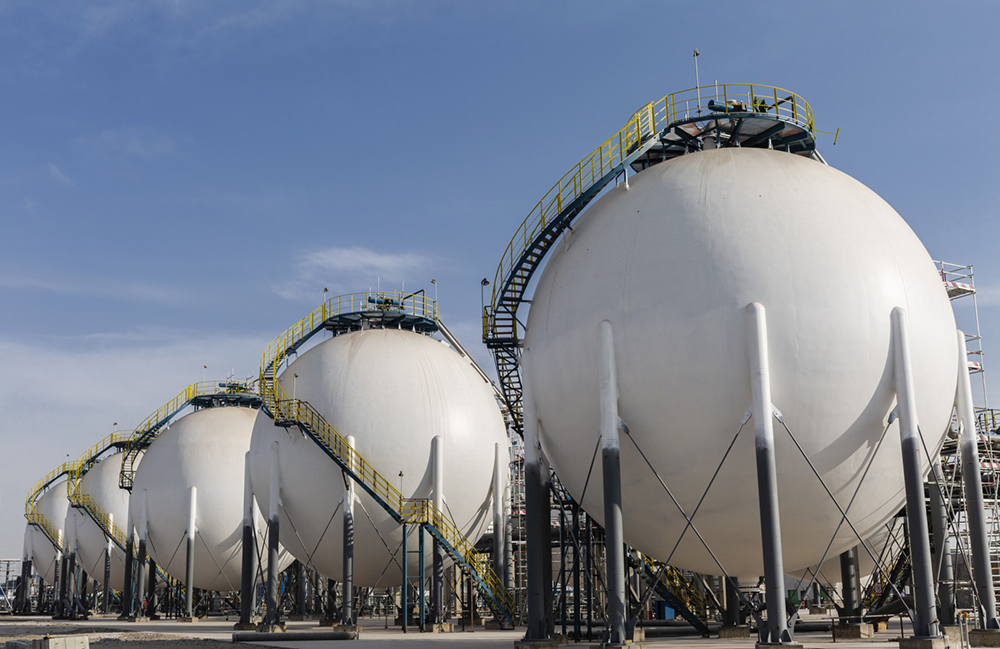
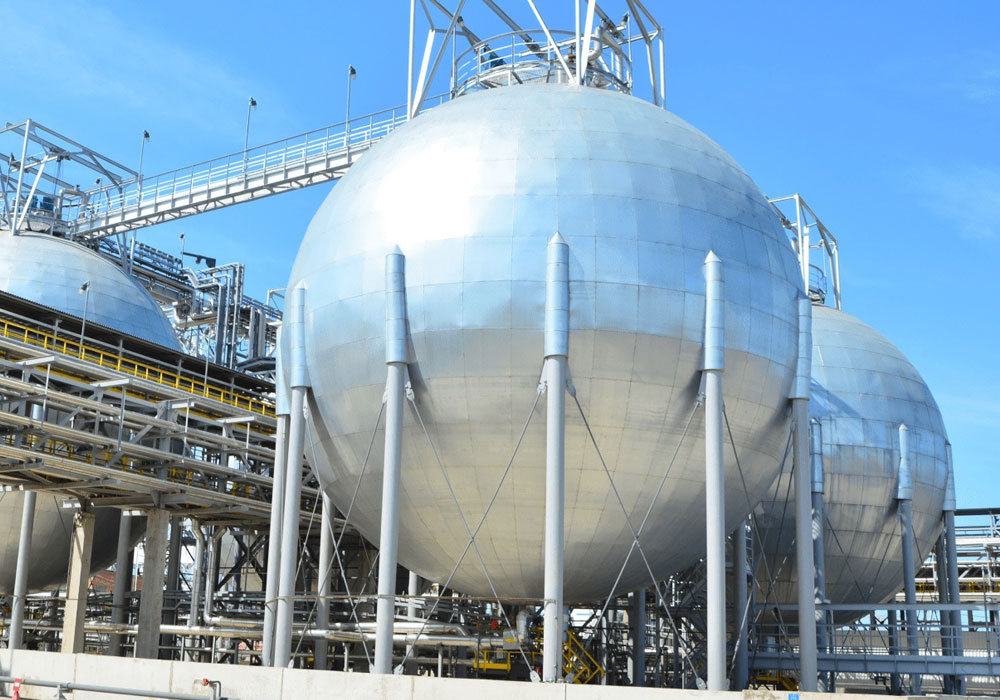
Engineering design of pressure vessels directly influences material selection. The geometric shape of the vessel (spherical or cylindrical), type of heads (dished, hemispherical, or conical), wall thickness, and pressure distribution all affect material determination. For example, spherical storage tank designs require thinner walls due to uniform pressure distribution, thereby reducing material consumption.
Utilizing engineering software such as ANSYS enables engineers to perform precise stress and pressure calculations, selecting materials fully compatible with the vessel’s operating conditions. Petrosazeh uses these tools to deliver designs that are both safe and cost-effective.
Importance of Material Inspection and Maintenance
Periodic inspections are vital to ensure the health of materials and prevent potential failures. Over time, materials may suffer from corrosion, cracking, or wear. Non-destructive testing helps detect these issues at early stages, preventing unwanted accidents.
Proper maintenance also plays an important role in extending vessel lifespan. Measures such as applying anti-corrosion coatings, replacing damaged components, and implementing preventive strategies are among the practices Petrosazeh uses to ensure the long-term performance of its vessels. The company offers inspection and maintenance services in compliance with global standards.
Recent Innovations in Pressure Vessel Materials
In recent years, with technological advancements, new materials such as advanced composites and alloys with high mechanical strength have been introduced. Composite vessels coated with titanium or resistant polymers exhibit high resistance against leakage and corrosion. Furthermore, new welding techniques like friction welding or explosive welding have significantly improved joint quality.
Petrosazeh leverages these innovations to manufacture vessels that meet safety requirements while aligning with advanced industrial needs. This approach contributes to cost reduction, increased efficiency, and enhanced durability of pressure vessels.
Conclusion
Selecting the right material for constructing pressure vessels is one of the most fundamental stages in designing and producing these sensitive pieces of equipment. Thoroughly analyzing factors such as fluid type, operating pressure and temperature, environmental conditions, and standard requirements leads to choosing a material that guarantees safety, efficiency, and durability. Petro Structure Co. (IPS), relying on its extensive experience and technical expertise, selects materials like carbon steel, stainless steel, and special alloys according to the needs of the oil, gas, and petrochemical industries. Adherence to international standards and the use of modern technologies place this company on the path of manufacturing safe, durable, and high-quality vessels.