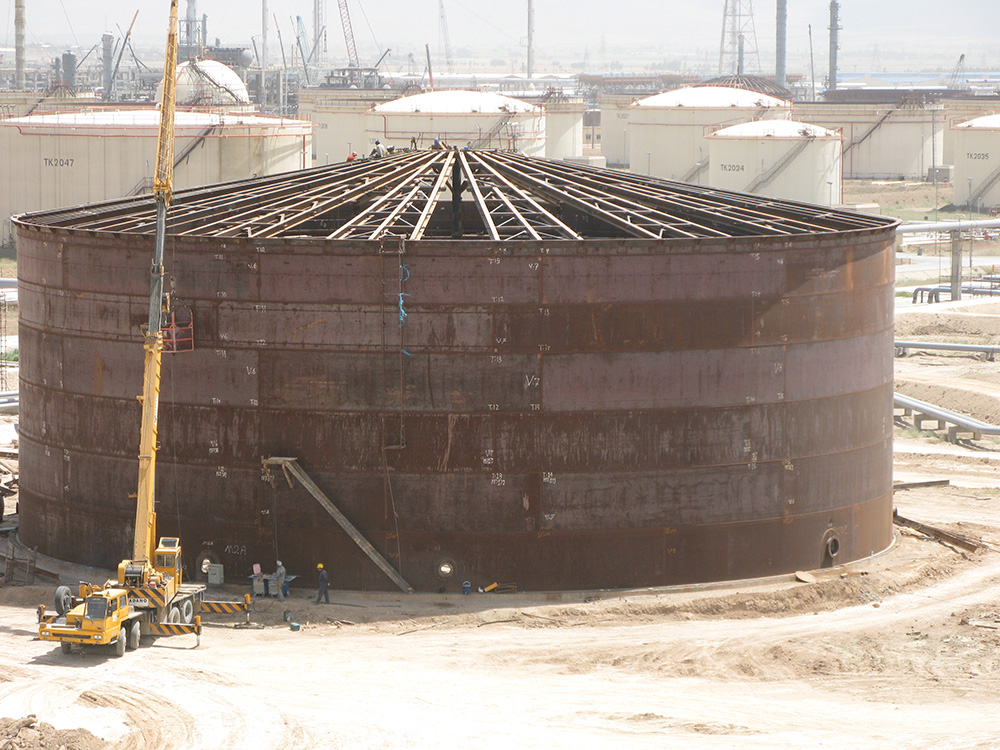
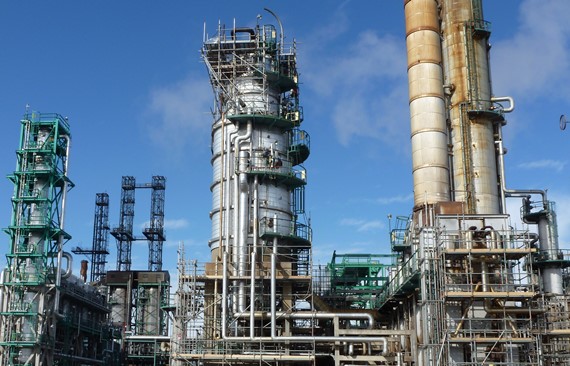
Vacuum towers are vital equipment in various industries, especially in oil refineries and chemical industries, used for separating and distilling materials at pressures lower than atmospheric pressure. These towers enable effective separation of high-boiling-point compounds without the need for very high temperatures.
Principles of Vacuum Distillation
Vacuum distillation is a process in which the boiling point of materials is reduced by lowering the pressure. This method is especially suitable for substances that decompose or change their properties at high temperatures. By reducing the pressure, these substances can be distilled and separated at lower temperatures.
Main Components of Vacuum Towers
Tower Body: The main structure, which includes trays or packings to increase the surface area for contact between the liquid and vapor phases.
Trays or Packings: Components used to increase the surface area and improve mass transfer between phases.
Reboiler: The part that provides the necessary heat for the evaporation of liquids at the bottom of the tower.
Condenser: The part that condenses the vapors at the top of the tower and turns them into liquid.
Vacuum Pumps: Equipment used to create and maintain vacuum conditions in the tower.
Operation of Vacuum Towers
In vacuum towers, the feed enters from the middle or top and, as it moves downward, is heated by the reboiler. The produced vapors move upward, and through contact with the liquid on the trays or packings, heat and mass transfer occur. This process leads to the separation of compounds based on their boiling points.
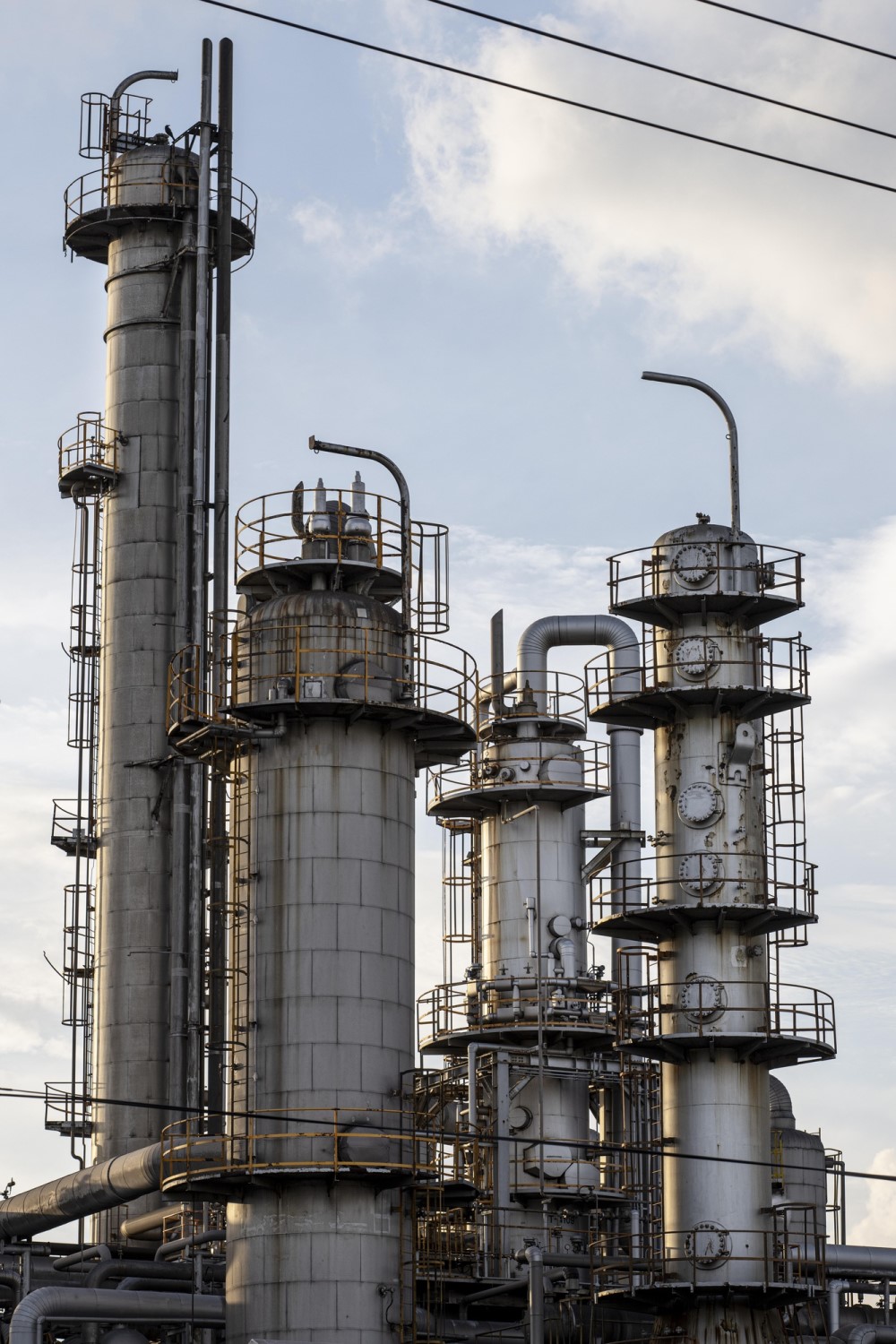
Types of Distillation Towers
Tray Towers: These towers use trays with different designs to create contact between the vapor and liquid.
Packed Towers: In this type, packing materials are used to increase the surface area between phases.
Applications of Vacuum Towers in Various Industries
Vacuum towers are among the most important equipment in various industries due to their ability to separate materials at low pressures. This technology, specifically designed for separating high-boiling-point materials, allows for complex processes to be carried out at lower temperatures, preventing thermal degradation of materials.
The use of distillation towers and vacuum equipment in industries such as oil and gas, petrochemicals, pharmaceuticals, and food industries significantly improves product quality and plays a key role in optimizing industrial processes. Below, we examine the design, operation, and applications of these towers in various industries.
Oil and Gas Industry
In refineries, vacuum towers are used to separate heavy oil fractions such as bitumen and heavy oils from lighter compounds. This process prevents thermal decomposition of materials by reducing the required temperature for separation and maintains their quality. Additionally, higher-quality products such as lighter fuels and raw materials for other processes are produced.
Petrochemical Industry
In petrochemical industries, vacuum and pressurized towers play a crucial role in producing pure chemicals like polyethylene and polypropylene. These processes require precise control of temperature and pressure, which vacuum towers enable by reducing pressure and regulating temperature to allow for the production of high-standard products.
Pharmaceutical Industry
In the pharmaceutical industry, vacuum towers are used for purifying heat-sensitive pharmaceutical compounds. These towers help produce high-quality raw pharmaceutical materials without altering their chemical or therapeutic properties. This application is especially important for producing modern drugs and biological compounds.
Food Industry
Distillation towers in the food industry are used to produce natural extracts and essences from plants and fruits. They are also used in the production of high-quality edible oils. The use of vacuum towers in these industries helps preserve the aroma, flavor, and nutrients of food products, as the process occurs at lower temperatures, avoiding thermal degradation.
Design of Vacuum Towers
Designing vacuum towers requires consideration of factors such as feed type, flow rate, operating pressure, temperature, and the physical and chemical properties of materials. Important decisions in the design of these towers include the choice between tray or packed towers, the number of trays or packing height, the type of reboiler and condenser, and vacuum systems.
Benefits of Using Vacuum Towers
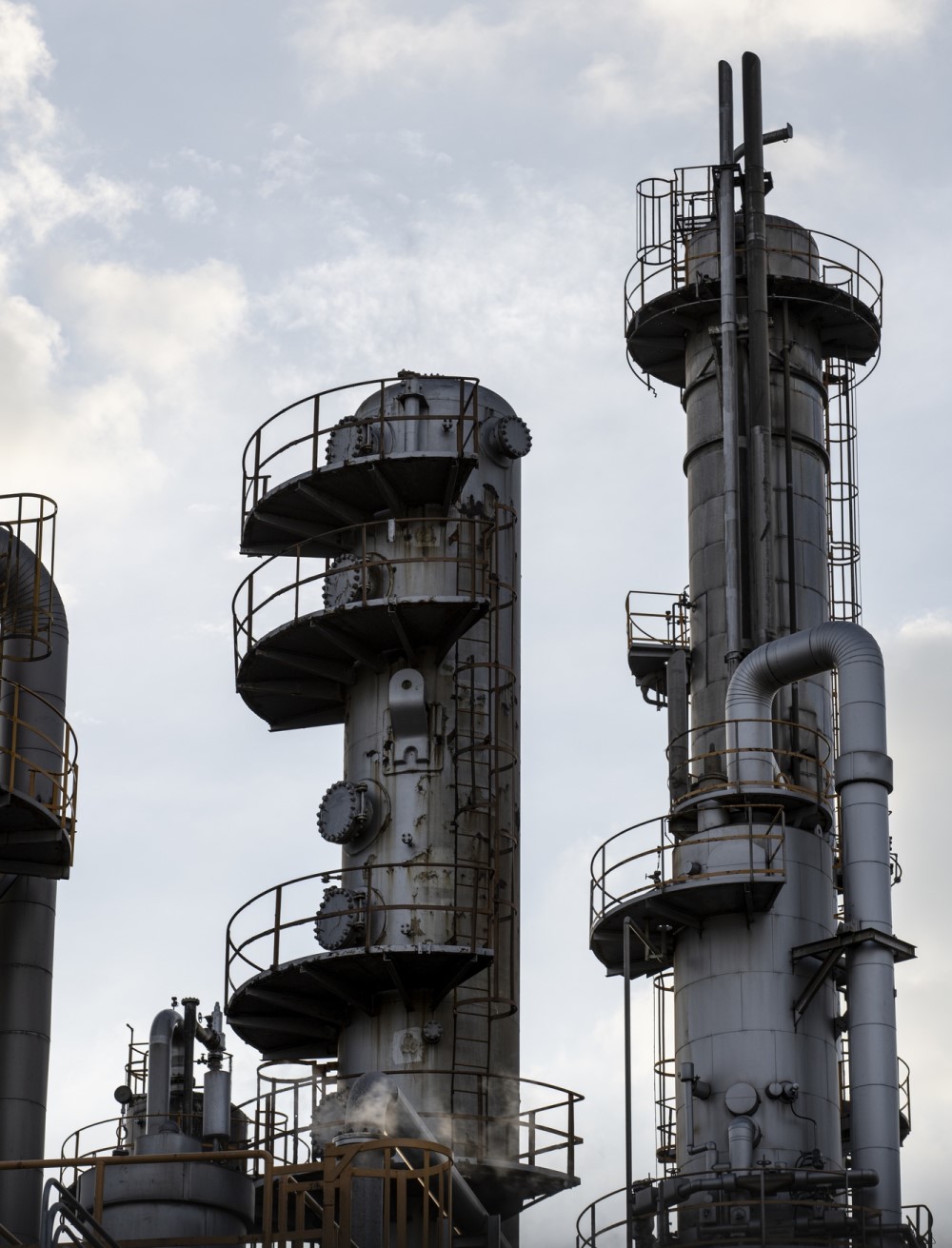
Some of the benefits of these towers include reduced distillation temperatures, which prevent thermal degradation of materials, increased product quality by producing purer materials, and energy savings, achieved by reducing the need for high temperatures. Therefore, the correct design and proper use of this technology are pivotal in the advancement of many industries.
Vacuum Towers at PetroSazeh International Aram
PetroSazeh is a manufacturer of vacuum and pressurized towers in Iran, utilizing modern technologies and adhering to international standards such as ASME and API. The company designs and manufactures high-quality equipment for various industries. For more information, you can contact our experts.
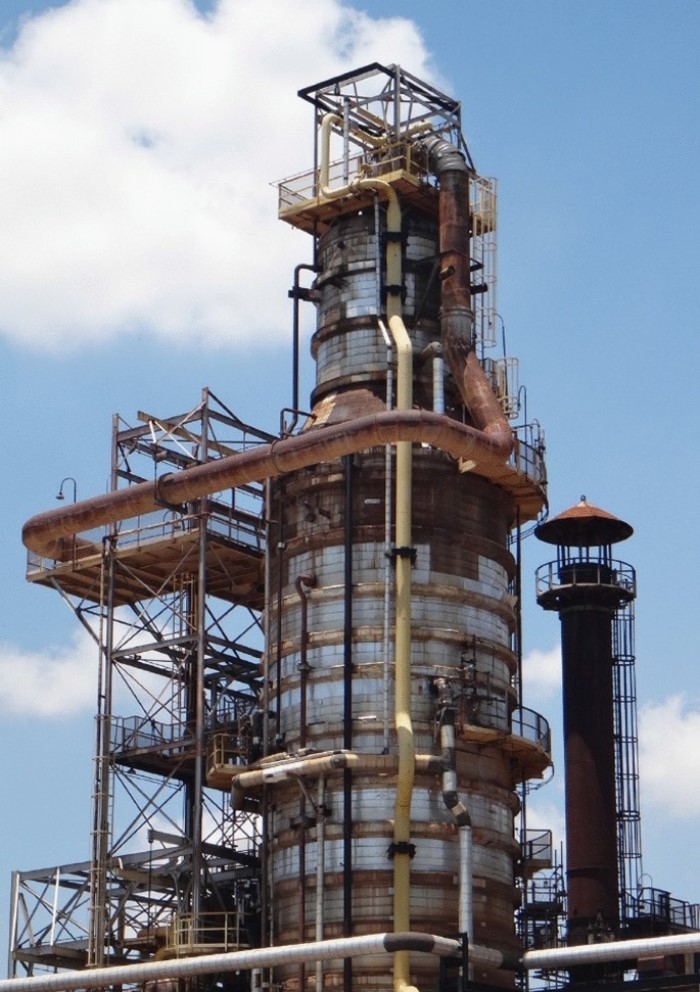
Key Maintenance Tips for Vacuum Towers
Regular maintenance scheduling for periodic inspections is essential to avoid sudden breakdowns. Vacuum pumps are the heart of these towers, and any malfunction or improper operation can disrupt the overall system performance. Regular cleaning of internal components such as trays, packings, and other parts should be done to ensure optimal heat and mass transfer.
Conclusion
Vacuum towers are key components in industrial processes that enable the effective separation of high-boiling-point compounds. Proper design and operation of these towers directly impact the quality of final products and the efficiency of industrial systems. Correct design choices, the use of quality equipment, and adherence to maintenance principles can significantly reduce costs and improve the performance of these towers.
References
- Vacuum Technology Resources
Industrial Applications of Vacuum Towers: Practical Approaches and Case Studies - API Standards for Distillation Towers
Guidelines for the Design and Maintenance of Vacuum Towers - Chemical Engineering Handbook
Process Design and Optimization in Vacuum Distillation