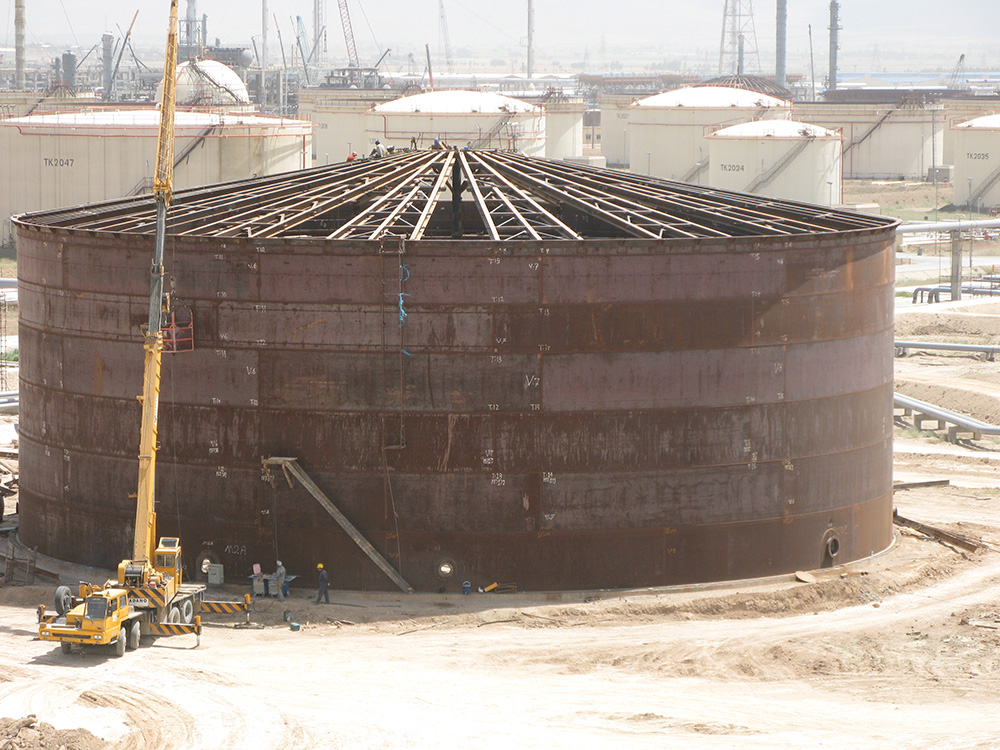

Vessels or pressure storage tanks are a vital component in oil and gas refineries. These pieces of equipment are used for holding, storing, and processing various fluids and play an important role in improving the efficiency and safety of refinery processes. In this article, we will examine vessels, their applications, and their advantages.
What is a Vessel?
Vessels or pressure storage tanks refer to equipment used to hold and store fluids under pressure in refineries. These tanks are typically made from materials resistant to pressure and corrosion and can be used for storing gases, liquids, and even solids. Vessel is designed in various size and shape to meet different refinery needs.
Applications of Vessels in Refineries
- Storage and Holding: Vessels are used to store and hold various fluids such as crude oil, petroleum products, and different gases. Due to their high resistance to pressure and corrosion, these tanks are a suitable option for safely storing pressurized fluids.
- Separation and Segregation: Vessels are used in fluid separation and segregation processes. For example, in distillation units, vessels are used to separate different components of crude oil into various products such as gasoline, diesel, and various gases. These processes require tanks that can operate under high pressure and varying temperatures.
- Chemical Reactions: In some refinery processes, chemical reactions take place inside vessels. These tanks are designed to carry out chemical reactions under high pressure and temperatures, helping to maintain the safety and efficiency of the processes.
- Compressed Gas Storage: Vessels are used to store compressed gases such as hydrogen, oxygen, and nitrogen. These tanks are built with specific designs to withstand very high pressures and ensure high safety.
- Petroleum Product Storage: Vessels are used to store products such as gasoline, diesel, fuel oil, and other petroleum products under high pressures.
- Fluid Transportation: Mobile vessels are used for transporting refinery fluids over long distances. These vessels must have high strength and resistance to impact and vibration.
- Process Units: Various process units in refineries, such as distillation columns, reactors, and heat exchangers, use different types of vessels.
Types of Vessels in Refineries:
Vessels can be categorized based on the type of fluid, application, and other characteristics. Some of the most common types of these tanks include:
- Spherical Vessels: Due to their geometric shape, these vessels have very high resistance to stresses caused by internal pressure and are ideal for storing fluids at high pressures.
- Cylindrical Vessels: These vessels are suitable for storing fluids at low and medium pressures.
- Horizontal Vessels: These vessels are usually used for storing liquid fluids.
- Vertical Vessels: These vessels are used for storing gaseous fluids.
Also read: Issues Caused by Pressure Changes in Pressurized Storage Tanks
Materials for Constructing Vessels in Refineries:
Choosing the appropriate material for constructing vessels in refineries is crucial. This depends on various factors such as the type of fluid used, working pressure, operating temperature, and environmental conditions.
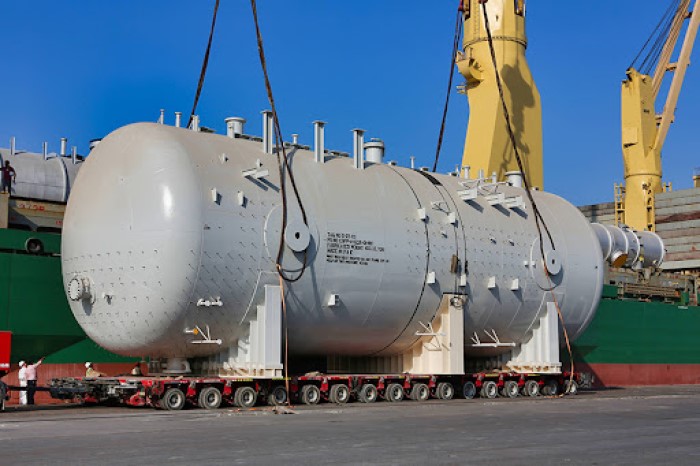
Below we review some of the most common materials used in constructing refinery vessels:
Carbon Steel
- Applications: The most common material for making pressure storage vessels for petroleum products such as gasoline, diesel, fuel oil, and other petroleum products at high pressures.
- Advantages: Affordable, readily available, good weldability and machinability.
- Disadvantages: Susceptible to corrosion when exposed to acidic and alkaline fluids.
Stainless Steel
- Applications: Used for making storage vessels for liquefied natural gas (LNG), liquefied petroleum gas (LPG), and refinery feed gases such as ethylene, propylene, and butane at high pressures.
- Advantages: High corrosion resistance, high strength at low temperatures.
- Disadvantages: More expensive than carbon steel, more difficult to weld and machine.
Aluminum
- Applications: Used for making mobile vessels for transporting refinery fluids over long distances.
- Advantages: Lightweight, corrosion-resistant.
- Disadvantages: Lower strength compared to steel, lower melting point.
Composite Materials
- Applications: Used for making storage vessels for fluids at medium to high pressures, especially where lightweight and high corrosion resistance are important.
- Advantages: Lightweight, high corrosion resistance, high strength.
- Disadvantages: More expensive than steel and aluminum, requires advanced technology and expertise for manufacturing.
Choosing the Right Material
Selecting the appropriate material for constructing vessels in refineries is a complex process that requires technical knowledge and expertise in materials science and chemical engineering. Several factors influence this selection:
- Type of Fluid: Different fluids have varying chemical and physical properties that affect the corrosion and erosion of the vessel material.
- Working Pressure: The working pressure of the vessel impacts the strength and resistance of the material used.
- Operating Temperature: The operating temperature of the vessel affects the durability and stability of the material used.
- Environmental Conditions: Environmental conditions such as humidity, ambient temperature, and the presence of corrosive chemicals influence the choice of vessel material.
Advantages of Using Vessels in Refineries
- Increased Safety: One of the biggest advantages of using vessels in refineries is increased safety. These tanks, with their specific designs and resistant materials, can prevent leaks and explosions, ensuring the safety of processes.
- Improved Process Efficiency: Vessels help improve the efficiency of refinery processes. These tanks can withstand high pressures and temperatures, enabling more effective chemical reactions and separations.
- Reduced Operational Costs: By using durable and high-quality vessels, refineries can reduce maintenance and repair costs. These long-lasting tanks do not require frequent replacements and repairs, which helps in reducing operational costs.
- High Flexibility: Vessels are designed in various sizes and shapes and can be used for diverse applications. This flexibility allows refineries to use a single type of tank for multiple processes, increasing productivity.

Read more: Troubleshooting and maintenance of pressure storage tanks
Conclusion
Vessels or pressure tanks are crucial components in oil and gas refineries, playing a significant role in enhancing efficiency, safety, and reducing operational costs. From storing and holding fluids to facilitating separations and chemical reactions, these tanks are used in all stages of refinery processes. By choosing the right type of vessel and optimizing its design, refineries can achieve higher productivity and experience significant economic and environmental benefits.