Air cooler play a crucial role in the oil and gas industry. These devices help cool hot liquids or gases using air flow, which in turn improves the efficiency and safety of industrial operations.
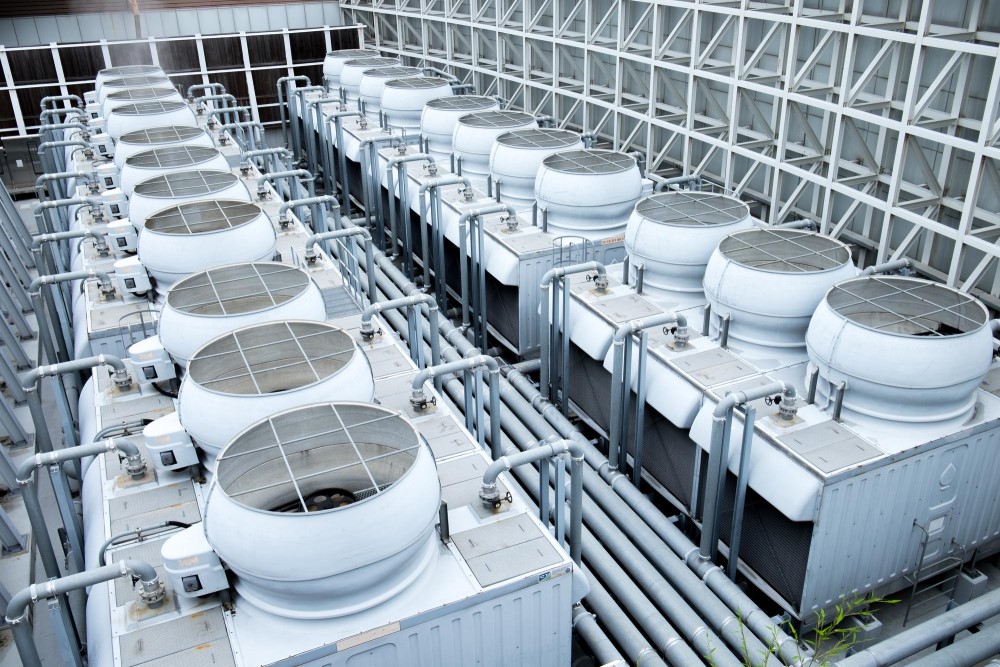
Air coolers are specifically designed to cool hydrocarbon products and other liquids in industrial processes. Instead of using water for cooling, they utilize air, which reduces water consumption and related costs.
Air coolers are divided into two main types: induced draft air coolers and forced draft air coolers.
In these coolers, fans are located at the top of the unit, pulling warm air out. Benefits of this type include better air distribution over the bundle, reduced likelihood of warm air recirculation, and improved process control and stability.
Disadvantages include more challenging access to fans for maintenance and higher construction costs compared to forced draft air coolers.
In this type, fans are positioned at the bottom of the unit, blowing cold air into the device. Advantages include easier construction and maintenance, better access to fans and bundles, and lower construction costs.
Disadvantages include less uniform air distribution over the bundle and a higher likelihood of warm air recirculation.
Air coolers in the oil and gas industry are designed based on specific needs and operational conditions. These designs aim to optimize heat exchange, reduce energy consumption, and enhance efficiency. Detailed aspects of air cooler design include:
Fins Design: The choice of fin shape and number is optimized based on thermal needs and airflow.
Tube Layout: The arrangement of tubes (straight, triangular, zigzag) is designed to maximize surface contact and reduce pressure drop.
Fan Selection: Fans should be selected for high efficiency and low energy consumption.
Fan Control: Automatic control systems adjust fan speeds to optimize energy usage.
Corrosion-Resistant Materials: Using corrosion-resistant materials increases the service life of coolers.
Maintenance-Friendly Design: The design should allow easy access to components for maintenance and repairs.
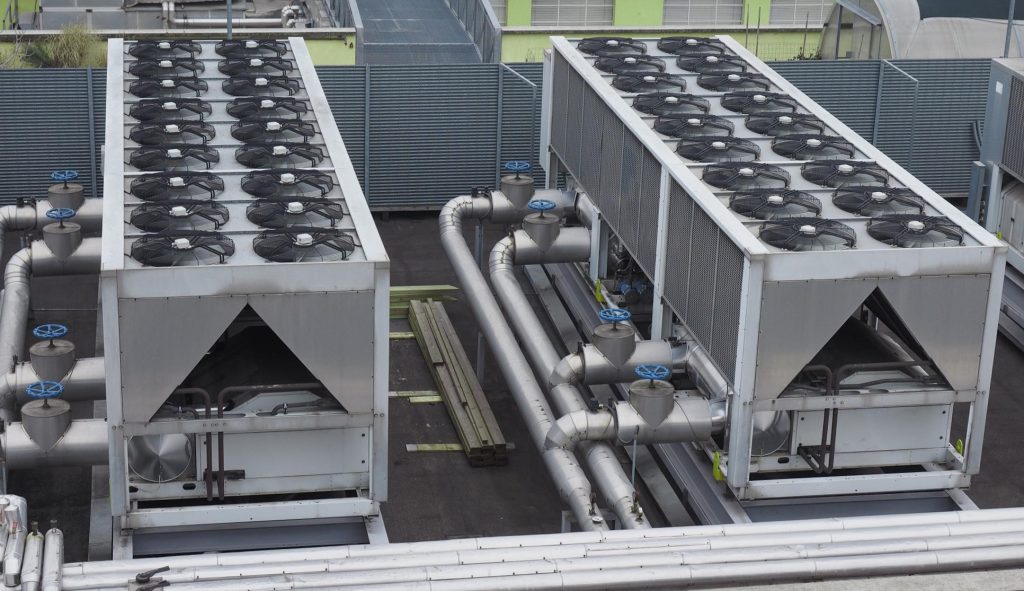
The materials used in air coolers depend on operational conditions and the type of fluids being cooled. Typically, carbon steel, stainless steel, and corrosion-resistant alloys like aluminum are used. Extruded aluminum fins are common for enhancing thermal contact and preventing corrosion in marine and coastal environments.
Cooling towers are also used for cooling in the oil and gas industry but have fundamental differences from air coolers:
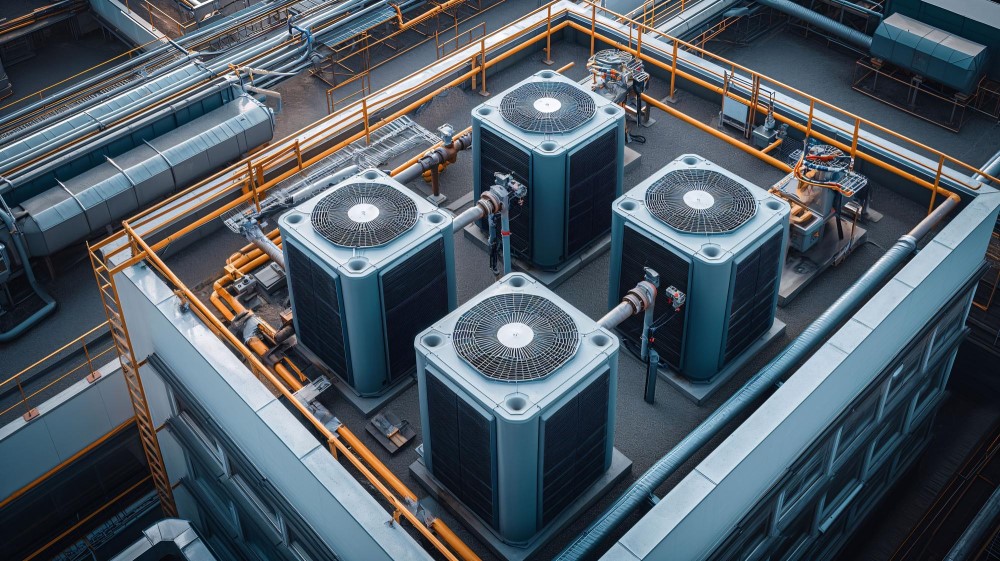
One of the key features of air coolers is precise control of airflow and outlet temperature. This is particularly important in the oil and gas industry, where precise temperature control is essential. Automatic control systems can adjust fan flow rates based on process needs to maximize efficiency.
Air coolers are widely used in refineries, petrochemical plants, and natural gas processing facilities. They are used to cool hydrocarbon products, process liquids, and gases, and can also be utilized in heat recovery and air conditioning systems.
The use of air coolers is particularly favored in regions with limited water resources or where water costs are high. Due to their lower energy consumption and maintenance costs compared to some other cooling methods, air coolers are a suitable choice for the oil and gas industry. Proper selection of the cooler type and materials can lead to improved efficiency and resource conservation in industrial processes.
Petro structure Company is a manufacturer of heat exchangers such as shell and tube exchanger, plate exchanger and air exchanger. This complex has the possibility of building heat exchangers by using the expert forces and required equipment. Contact our experts for expert advice.
References